
CHOOSE BY TRAVEL STYLE
Photography, family or honeymoon safari: choose the right vehicle, camp and pace
Everyone wants to see wildlife. The route is really decided by hours in the vehicle, patience at a sighting, children's ages and whether two people want to share every drive with six strangers.
- Photographers ask
- Seats per row and waiting policy
- Families ask
- Age limits and longest drive
- Honeymoons ask
- Privacy and fewer camp changes
How photographers should choose a vehicle and route
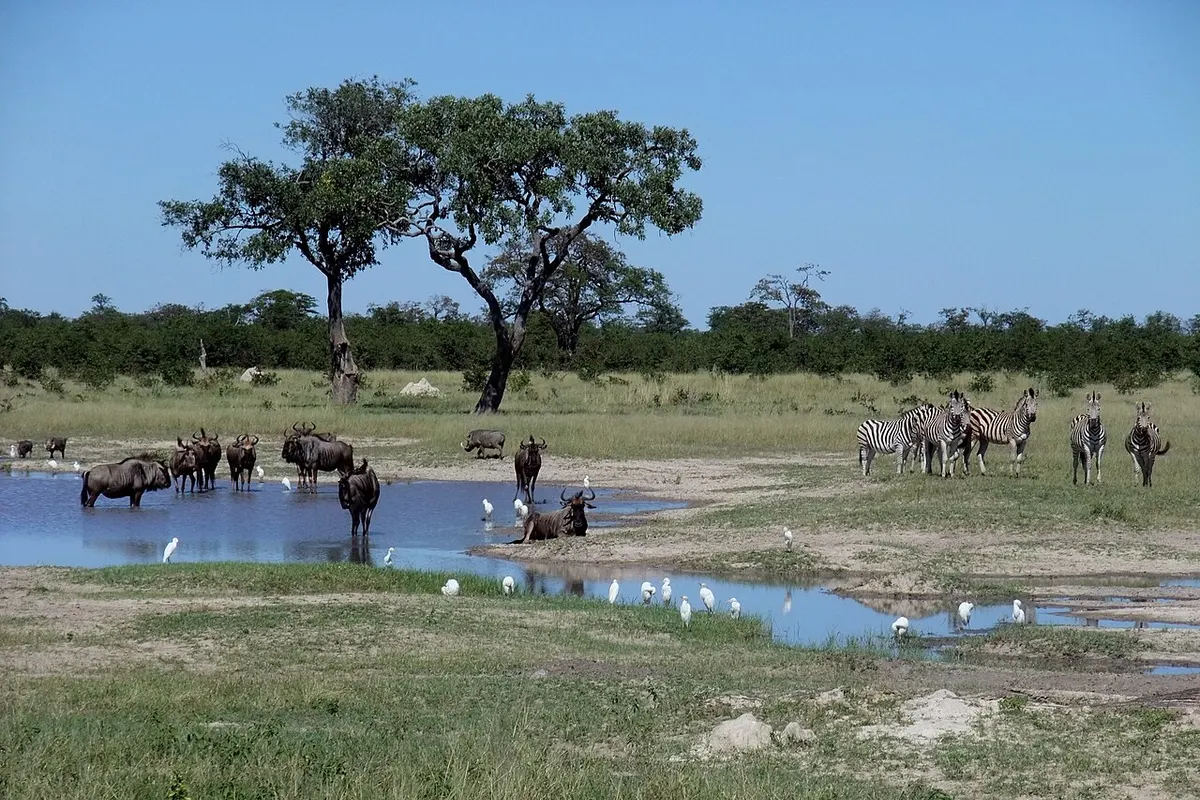
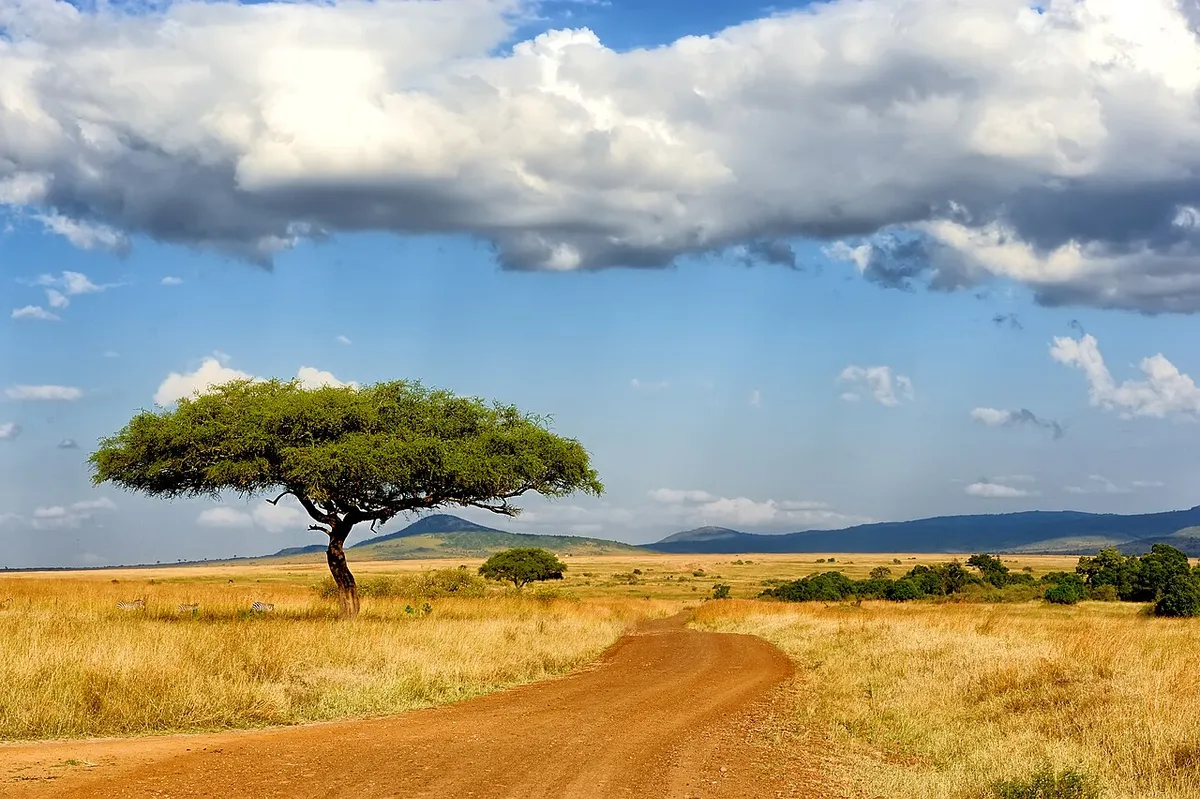
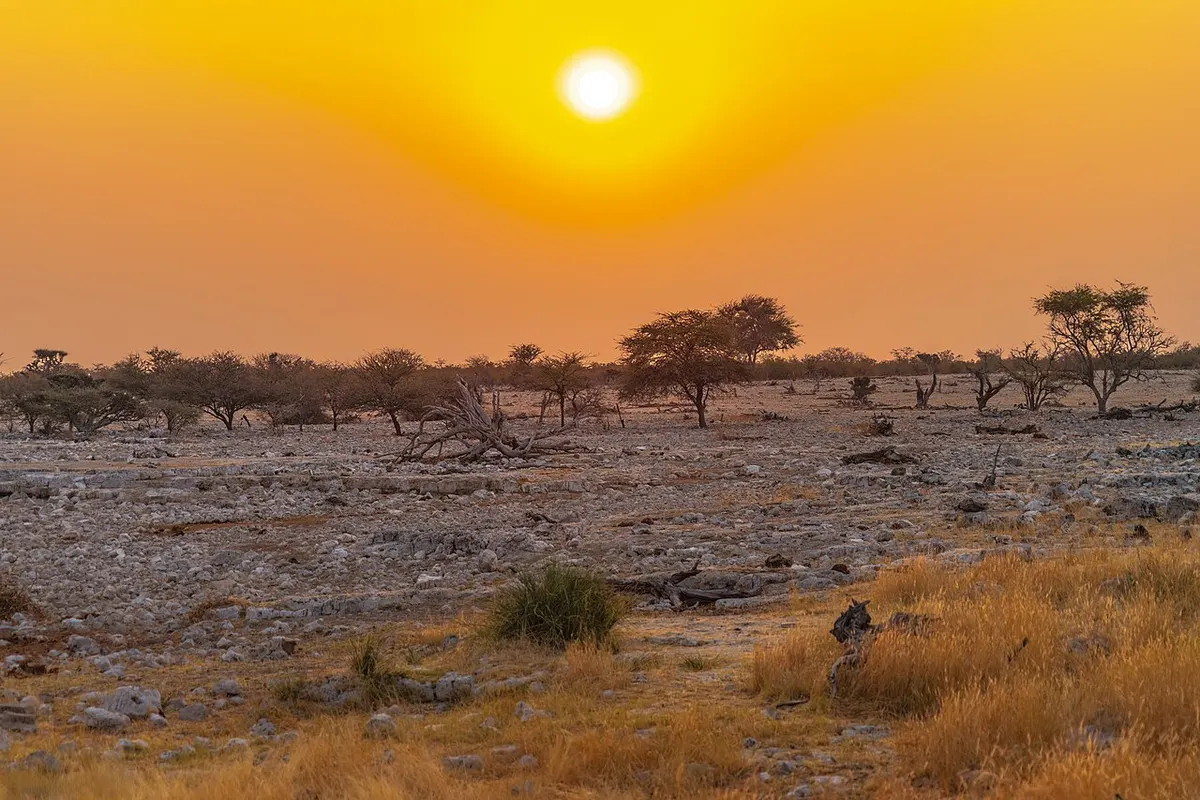
Wildlife photography often means waiting for light, behaviour or an obstruction to change. A private vehicle, or a photographic vehicle with a clear passenger limit, makes it easier to stay. Seats per row and beanbag support deserve attention before a lodge lobby. The Maasai Mara and Serengeti suit grassland and big-cat stories, Etosha offers fixed waterhole viewpoints, and a Chobe boat creates a lower angle from the water.
Photography does not suspend park rules. A vehicle should not block an animal's route, cross a closed track for a photograph or use sound to provoke a response.
How families can manage drive time and daily pace
Children may care deeply about wildlife without sharing an adult's patience. Two shorter drives, a midday return to camp and accommodation with clear safety boundaries often work better than ten uninterrupted hours chasing sightings.
Kruger public camps and self-driving let a family end the route when needed. A flight into the Maasai Mara followed by several nights in one place can remove long road transfers. Chobe can alternate boats and vehicles. Check minimum ages for walks, night drives and primate permits before confirming any route.
How honeymoon travellers should choose camps and activities
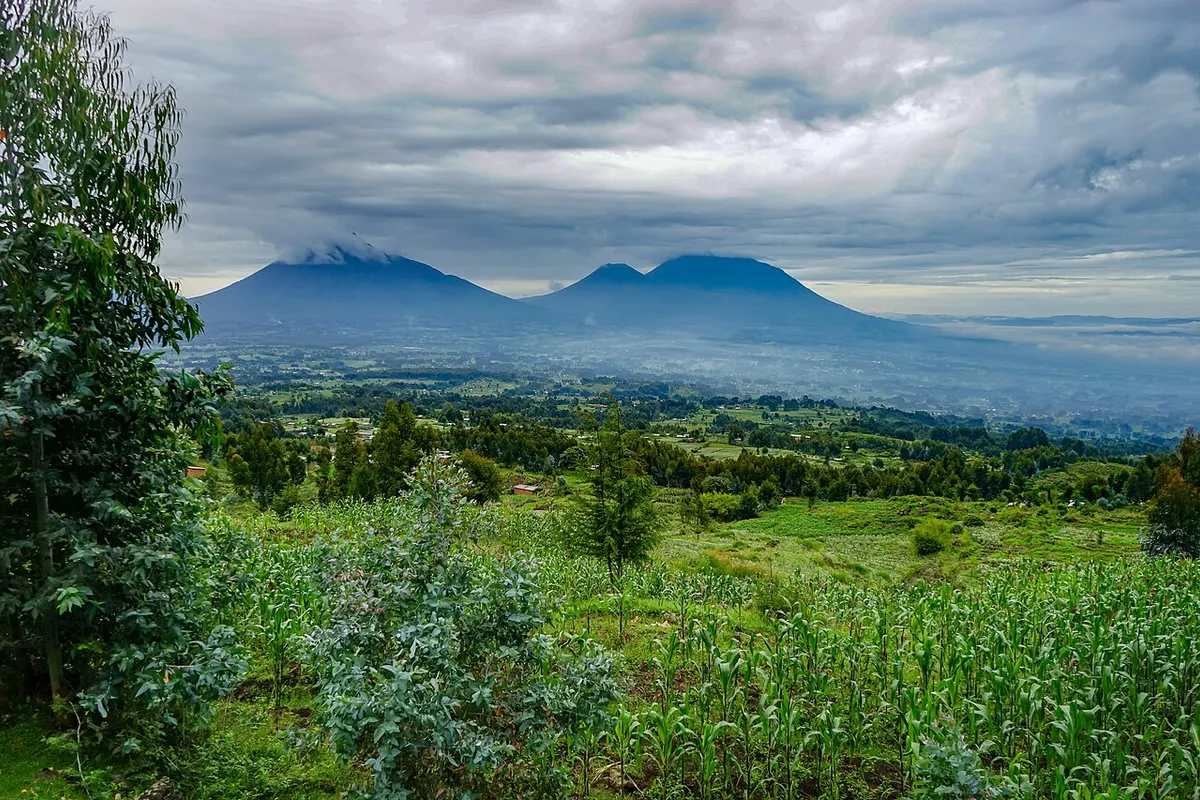
A honeymoon does not automatically need the most expensive room. Fewer camp changes, a private vehicle, flexible meals and a quieter setting have a more direct effect on time together. Chobe combines boats and vehicles, the Serengeti rewards several nights in one region, and Volcanoes National Park is organised around a dated permit trek.
If one person loves dawn drives and the other wants to rest, ask whether activities can be separated, what a private vehicle costs and whether the camp follows a fixed group schedule.
Six questions to ask before booking
- How many people share the vehicle, and does everyone have a full window seat?
- What is the longest road transfer, and can guests return to camp at midday?
- Which activities and camps have a minimum age?
- What do a private vehicle, separate activities and an unplanned rest period cost?
- Can camera equipment be supported, and are beanbags and charging available?
- Are the rooms named in the contract, or can they be replaced by something described as similar?
| Travel style | Places to research first | Check before booking |
|---|---|---|
| Photography | Maasai Mara, Serengeti, Etosha | Passenger count, waiting and camera support |
| Family | Kruger, Maasai Mara, Chobe | Age limits, drive time and camp safety |
| Honeymoon | Chobe, Serengeti, Volcanoes National Park | Private activities, permits and privacy |
BOOKING AND VERIFICATION
Operator and official booking links
These links lead to properties, operators, managing authorities or industry associations. SafariWild does not take part in the transaction or receive commission from these editorial links. Check the contract, insurance, cancellation terms and receiving company before paying.
Related destinations
Related species
Sources
These sources support the habitat, season and observation guidance in this article. Current permits, closures, weather and local rules still need a separate check before travel.
- SANParks: Kruger National ParkSupports: Self-driving, camps and accommodation types
- SANParks guided game drivesSupports: Morning and night activities and child age limits
- Rwanda Development Board gorilla permitsSupports: Minimum age, permit price and viewing rules
- Botswana TourismSupports: Chobe, Okavango and local activity types
Page updated . To report an error, send the page URL and a verifiable source through the contact page.