
SAFARI PACKING LIST
African safari packing list: clothes, binoculars and bush-flight limits
The items used most are simple: clothes that layer, binoculars you can hold steadily, water and a day bag that can take some dust.
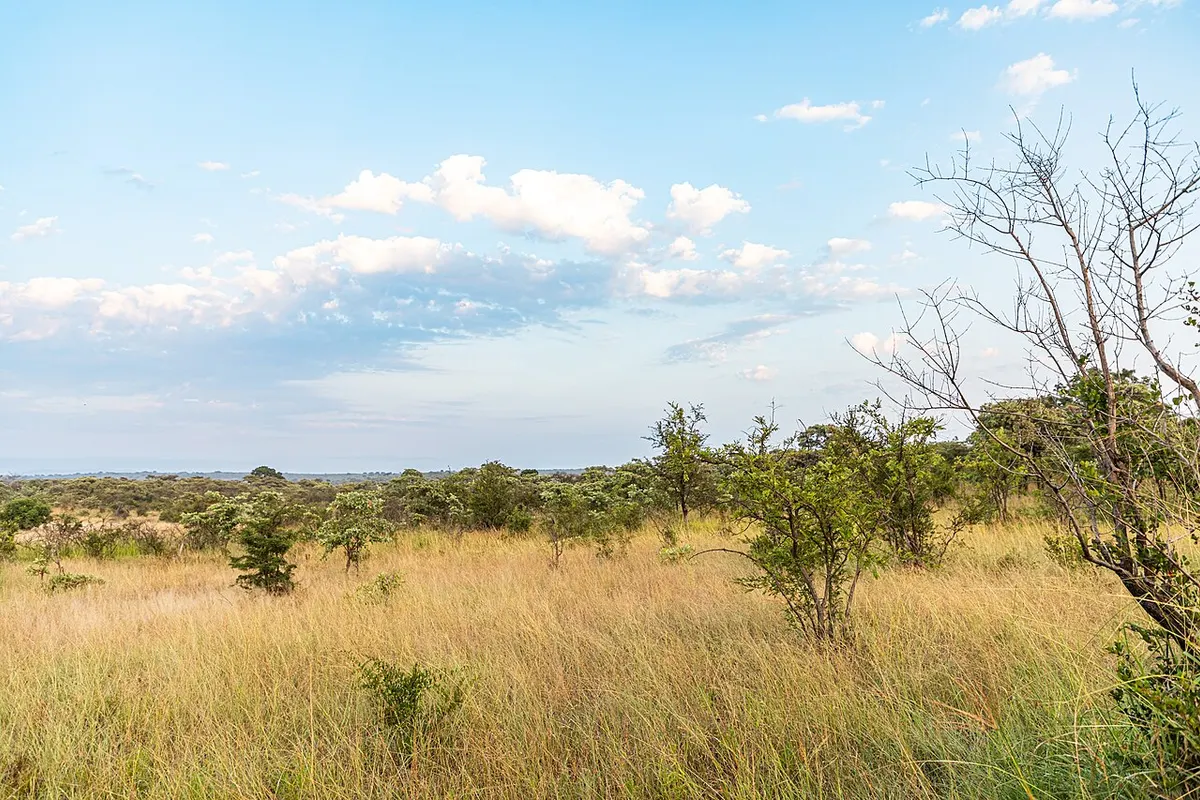
- Clothing rule
- Warm at dawn, removable by midday
- Most useful item
- A usable pair of binoculars each
- Small-aircraft rule
- Check soft-bag size and weight
How to dress for cold mornings and warm afternoons
An open vehicle may leave before sunrise, and the wind lowers the temperature further. Once the sun rises, one heavy coat becomes a burden. A light base layer, warm middle layer and windproof outer layer are easier to remove one at a time.
Muted khaki, grey, olive or brown works well for clothes worn repeatedly at camp. Guided walks may have separate colour, footwear and long-trouser requirements, so ask when booking.
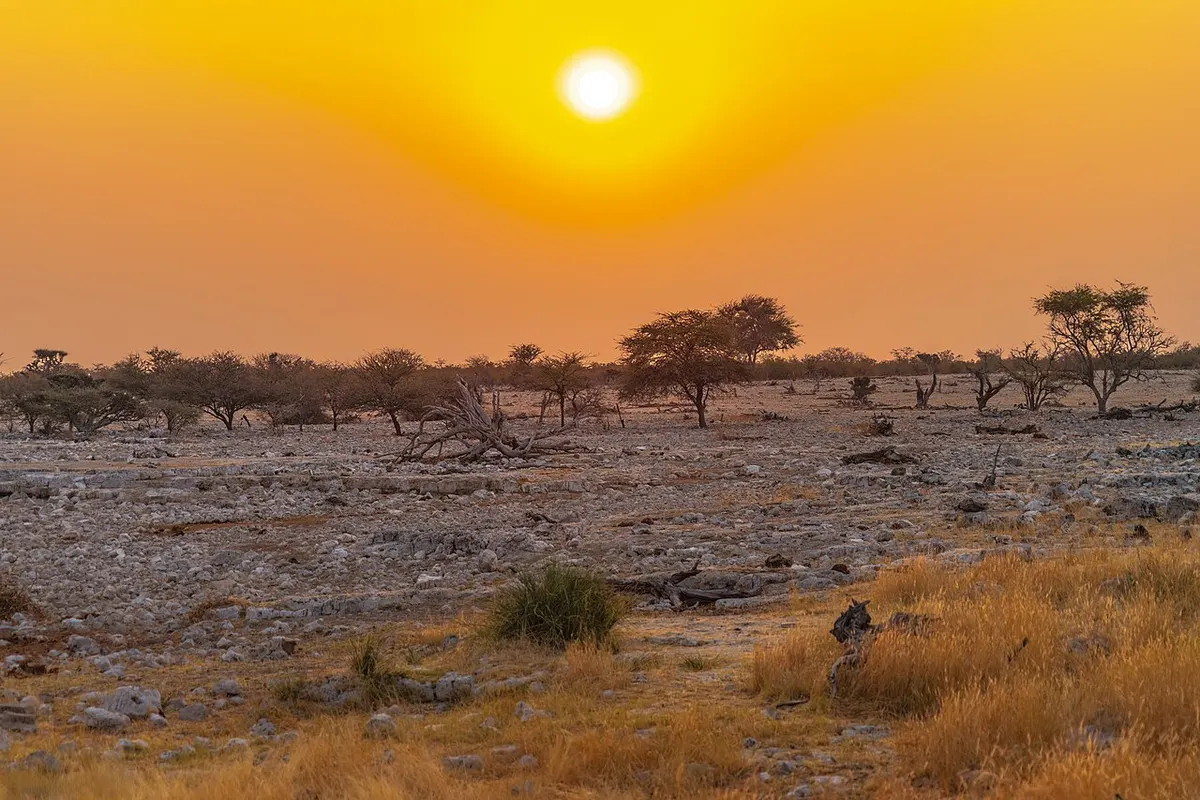
What to carry on every game drive
- Binoculars, ideally one pair for each person who watches regularly.
- Water, a hat, sun protection and lip balm.
- A light jacket or scarf within reach for dawn and open vehicles.
- Tissues, sealable bags and a small rubbish bag. Take everything out of the park again.
- Phone, camera, spare battery and memory cards.
- Regular medication and prescription details. Discuss vaccines and health questions with a doctor.
How to choose cameras, lenses and support
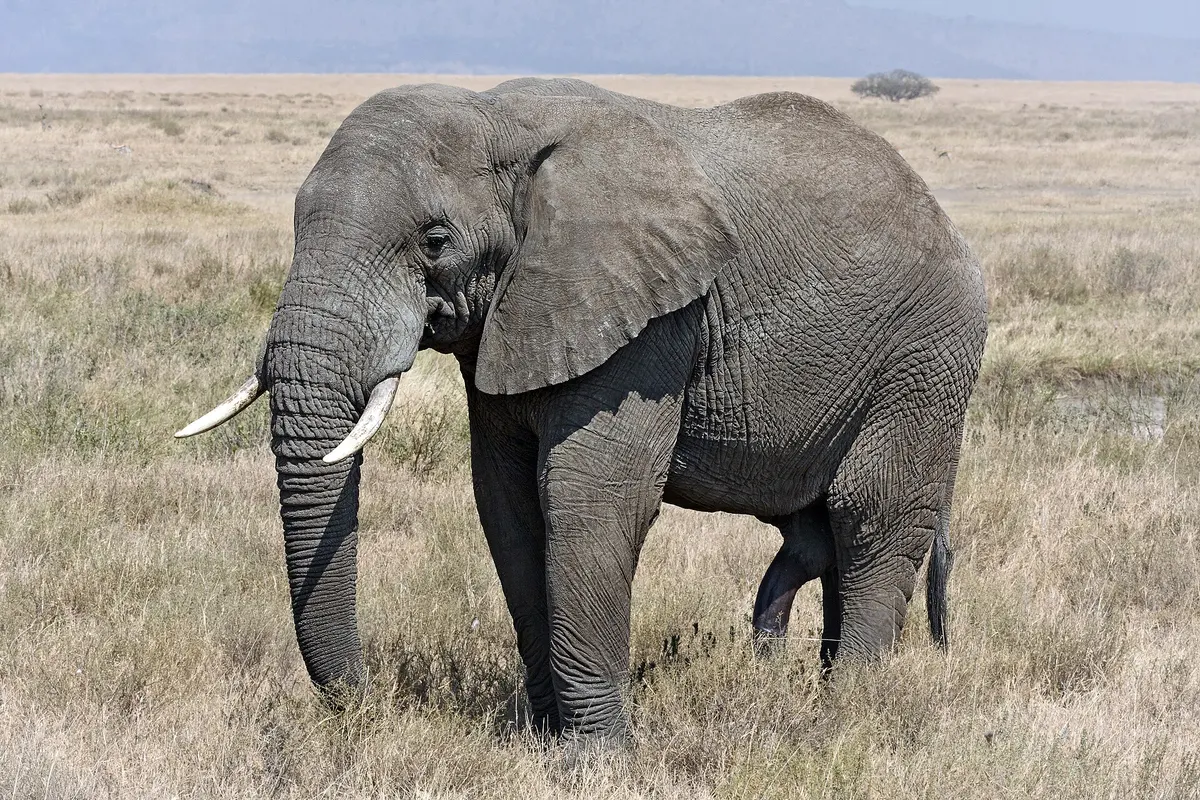
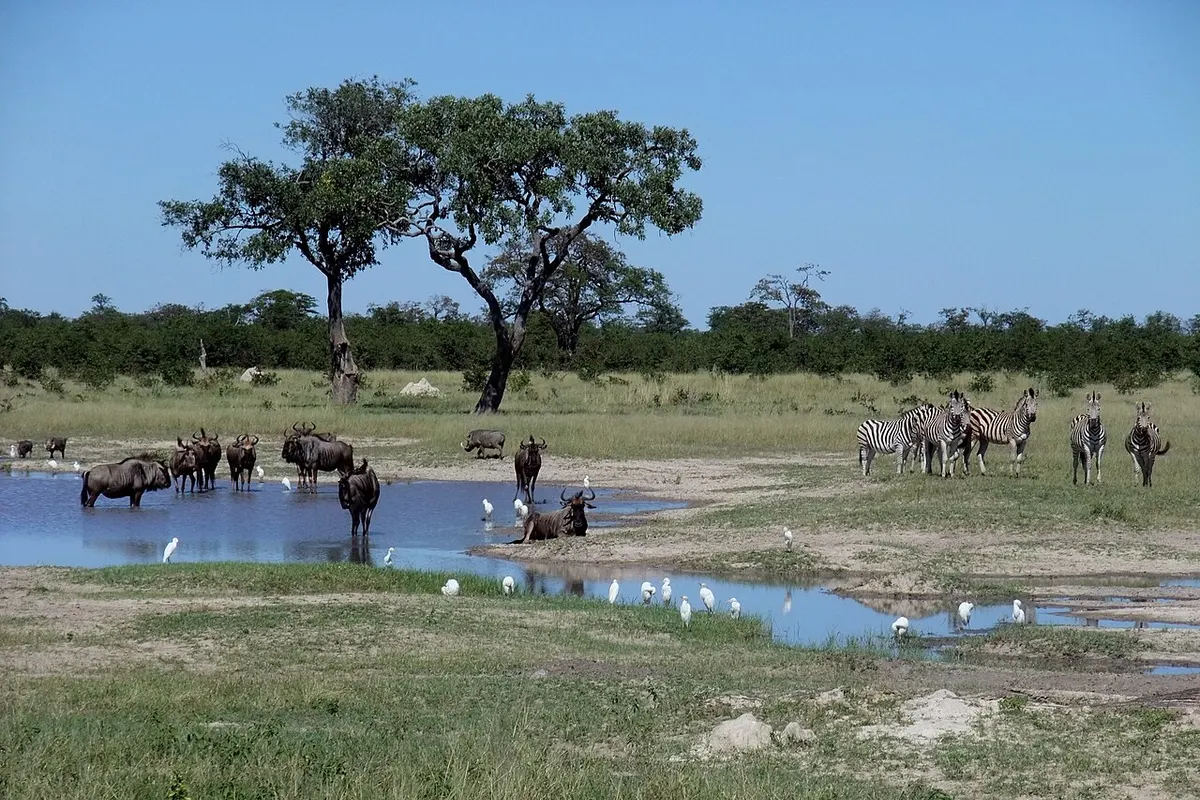
A long lens helps only if you can lift, focus and put it away quickly inside a vehicle. Two camera bodies reduce lens changes in dust but add weight and charging. For a first trip, one medium-to-long zoom with a phone for wide scenes is often enough to photograph animals in their habitat.
A beanbag is usually more useful than a tripod at a vehicle window or roof opening. Ask whether the operator supplies one. Do not extend equipment or your body in a way that blocks other guests, and do not ask a driver to obstruct an animal's path.
Luggage limits on small safari aircraft
Fly-in camps in East Africa often use small aircraft with stricter soft-bag, size and weight rules than an international flight. Save the operator or airline's written limit before choosing camera equipment and clothing. A hard-shell case may not fit even when its weight is acceptable.
Keep medicine, documents, charging cables and one basic change of clothes in hand luggage. If a checked bag arrives late, the first day can still proceed.
| Trip setting | Prioritise | Take less of |
|---|---|---|
| Road safari | Layers, binoculars and a dust-resistant bag | Extra shoes and formal clothing |
| Fly-in camp | Soft bag and a lighter camera setup | Hard cases and duplicate equipment |
| Boat viewing | Wind layer and splash-resistant storage | Large supports that cannot be secured |
| Camp laundry | A few quick-dry clothes | One complete outfit for every day |
BOOKING AND VERIFICATION
Operator and official booking links
These links lead to properties, operators, managing authorities or industry associations. SafariWild does not take part in the transaction or receive commission from these editorial links. Check the contract, insurance, cancellation terms and receiving company before paying.
Related destinations
Related species
Sources
These sources support the habitat, season and observation guidance in this article. Current permits, closures, weather and local rules still need a separate check before travel.
- SANParks 4x4 eco-trail equipmentSupports: Binoculars, clothing, rain gear, water and emergency equipment
- SANParks: Kruger visitor tipsSupports: Fuel, shared spaces and practical park advice
- SANParks open safari vehicle codeSupports: Vehicle behaviour, safety and rubbish management
Page updated . To report an error, send the page URL and a verifiable source through the contact page.