
YOUR FIRST SAFARI
First African safari: choose a country, trip length and operator
Country lists and lodge photographs can pull a first trip in too many directions. Start with the way you want to spend each day, then choose the place.
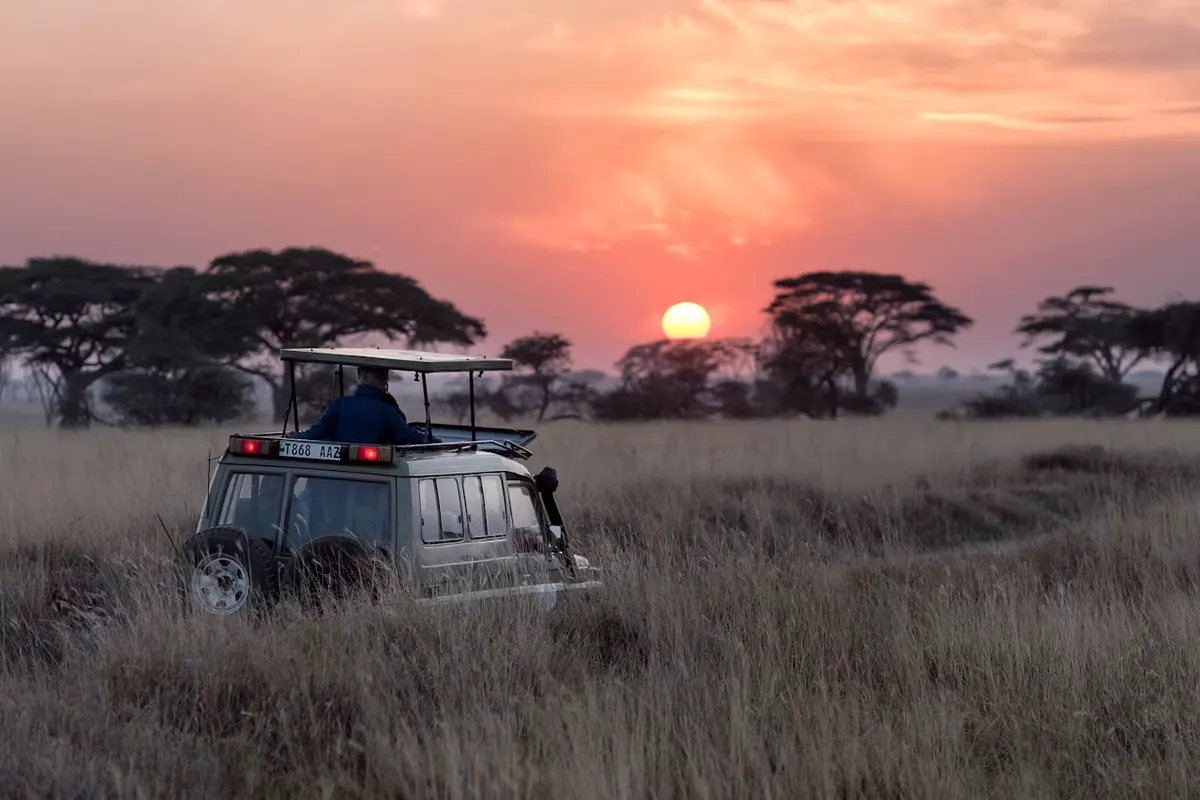
- Useful trip length
- 6 to 8 full travel days
- First rule
- One main region, fewer camp changes
- Ask first
- Vehicle seats, named lodges and inclusions
How to choose a destination and route for a first safari
A safari day often begins before sunrise. You drive in the morning, return to camp around midday, then go out again in the afternoon. The important question is whether you will enjoy several days of early starts, long periods in a vehicle and patient waiting. Put three or four distant parks into one week and the road can take more time than the wildlife.
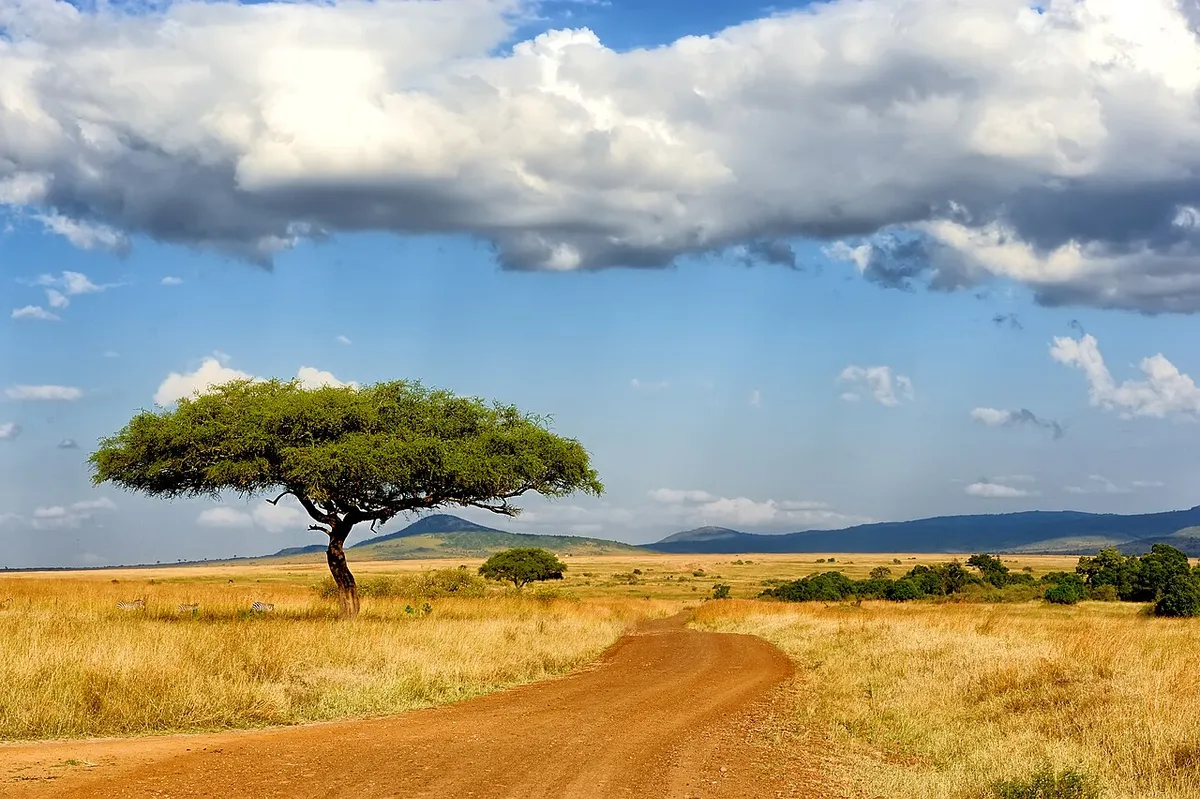
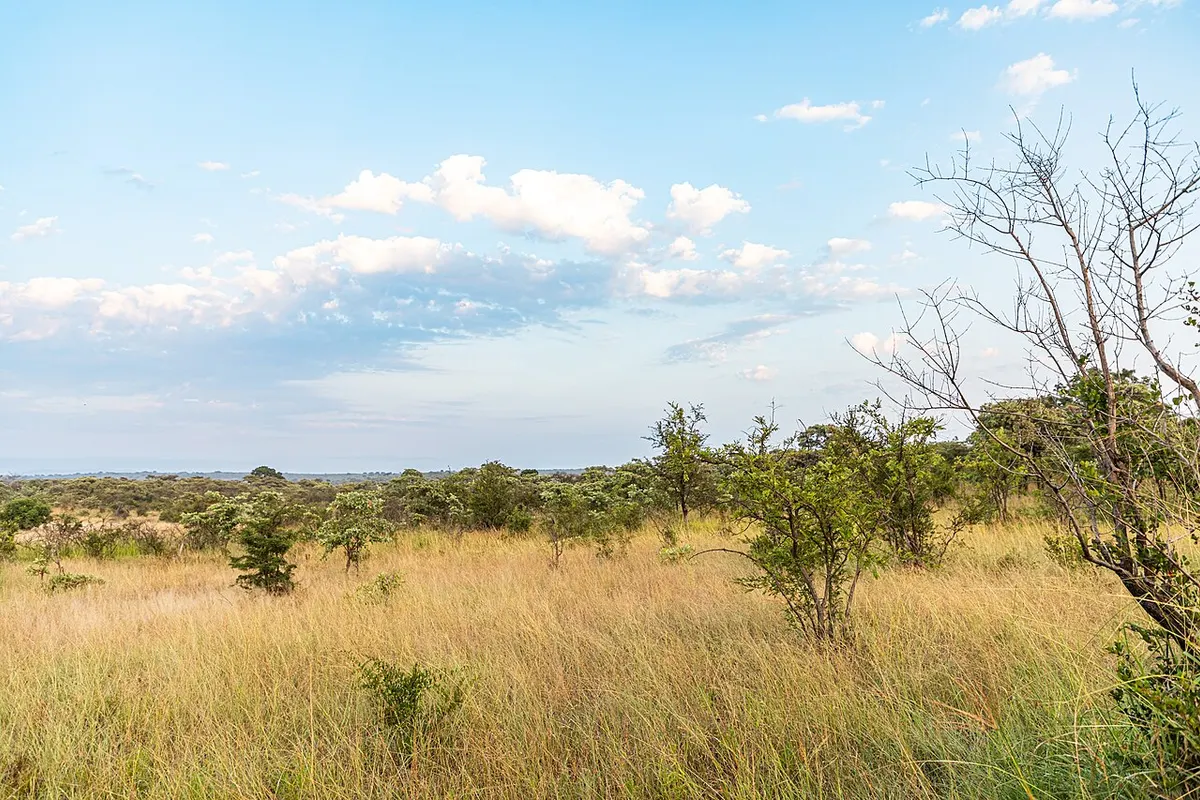
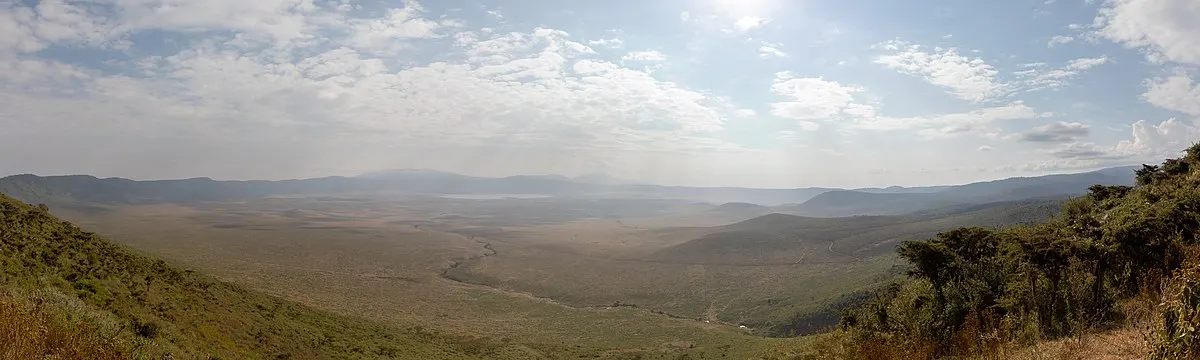
The Maasai Mara keeps grassland, big cats and migration questions within one compact area. Tanzania's northern circuit links the Serengeti, Ngorongoro and Tarangire, with more habitat changes and more road transfers. Kruger allows self-driving and public rest camps, which suits travellers willing to navigate, watch gate times and manage their own supplies.
A practical seven-day first safari itinerary
This schedule is deliberately not full. Wildlife does not follow an itinerary, rain changes roads and vehicles sometimes need repairs. Several nights in one camp also let the guide use yesterday's sightings to shape the next drive.
| Day | Plan | Why leave this time |
|---|---|---|
| Day 1 | Arrive in the gateway city and rest | Allows for the long flight and delayed luggage |
| Day 2 | Travel into the main reserve | Treat the transfer as part of the day |
| Days 3 to 5 | Full wildlife-watching days | A habitat makes more sense through repeat visits |
| Day 6 | Move a short distance or stay put | Decide with the weather and wildlife activity |
| Day 7 | Leave the reserve | Avoid a long transfer timed tightly to an international flight |
What to check in a safari quote
- Whether the vehicle is private or shared, the maximum number of guests and whether everyone has a window seat.
- The actual name of every lodge or camp, not only a promise of something similar.
- Who pays park fees, conservancy fees, vehicle charges, airport transfers and domestic flights.
- Whether daily mileage or game-drive time is limited and whether a migration route can be adjusted.
- Cancellation terms, change terms, luggage limits and payment dates in the contract.
- The guide's approach when several vehicles gather around one animal.
How to verify an operator and book
For Kenya, check the company in the KATO member directory, then ask two or three operators to price the same brief. For Tanzania, check the name and licence in the Ministry of Natural Resources and Tourism directory. Kruger public camps, day visits and official activities can be checked directly with SANParks. Membership and licensing do not replace a contract, insurance or recent reviews, but they help rule out sellers whose identity cannot be verified.
BOOKING AND VERIFICATION
Operator and official booking links
These links lead to properties, operators, managing authorities or industry associations. SafariWild does not take part in the transaction or receive commission from these editorial links. Check the contract, insurance, cancellation terms and receiving company before paying.
Related destinations
Related species
Sources
These sources support the habitat, season and observation guidance in this article. Current permits, closures, weather and local rules still need a separate check before travel.
- Magical Kenya: The Great MigrationSupports: The connected Maasai Mara and Serengeti migration system
- Tanzania Tourism: SerengetiSupports: Serengeti regions and migration background
- SANParks: Kruger National ParkSupports: Self-driving, public camps and park information
- Kenya Association of Tour OperatorsSupports: Membership, licensing and codes of conduct
Page updated . To report an error, send the page URL and a verifiable source through the contact page.