
MIGRATION CALENDAR
Great Migration by month: where the herds are from January to December
A calendar helps place your camp in the right region. It cannot reserve a river crossing. Rain, grass and water keep changing the route.
- January to March
- Southern plains and calving
- July to October
- Northern rivers and the Mara region
- Year-round rule
- Rain and fresh grass drive movement
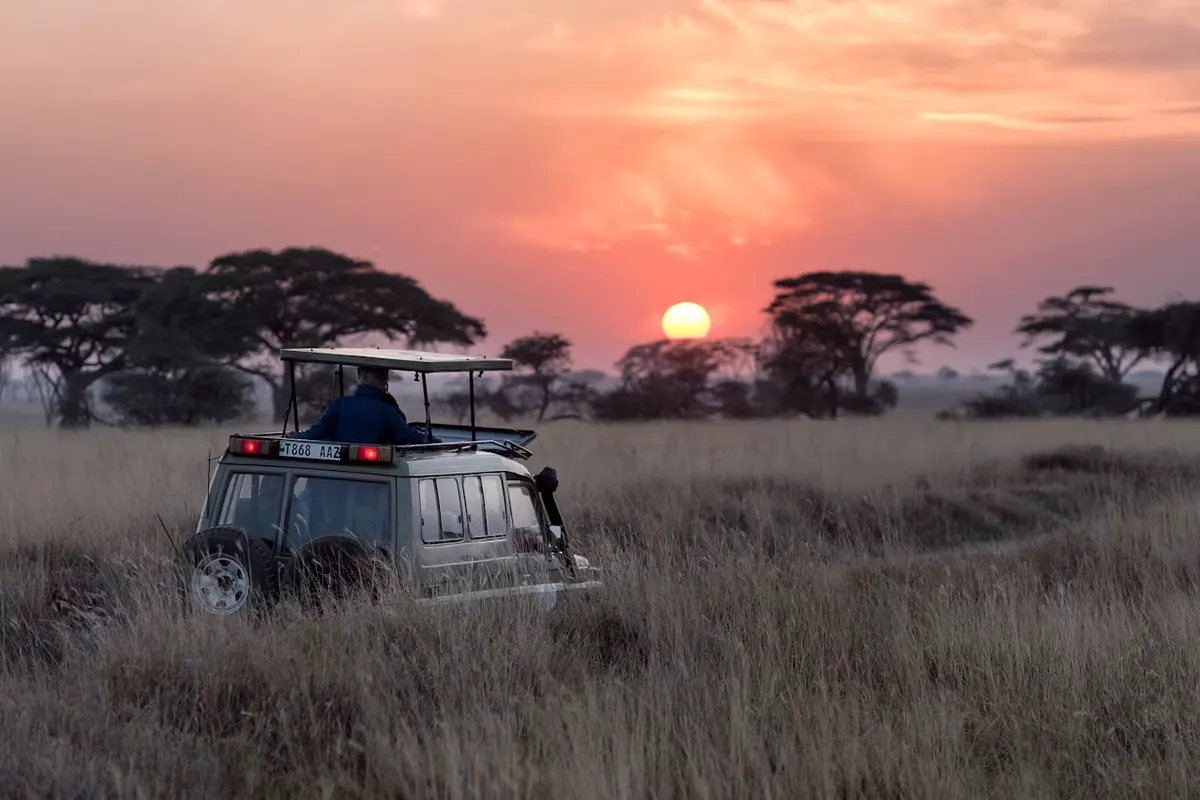
January to March in the southern Serengeti calving grounds
After the short rains, fresh grass often covers the southern Serengeti and the Ndutu area. Many wildebeest give birth during this period, and predators and scavengers respond to the concentration of young animals. Several days reveal more than a single calf photograph: maternal behaviour, herd movement and the grassland food web begin to connect.
Rain falls differently each year. Ask where a seasonal camp will actually stand during your dates and how far its daily drives can reach.
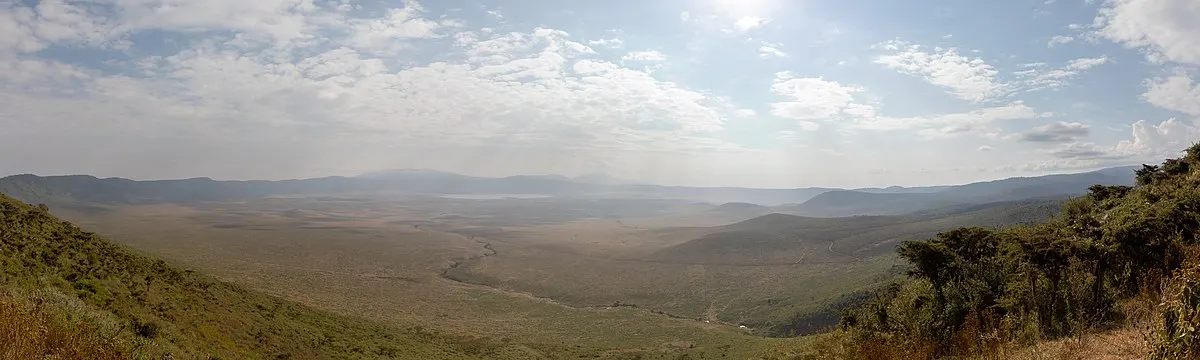
April to June through the central and western migration route
As the long rains develop and then ease, groups spread and move through central Serengeti and towards the western corridor. Roads can be wet and travel times less predictable. The route is not a single line, so camps need practical access to the part of the ecosystem where the herds are moving.
The western corridor can include Grumeti River crossings, but those crossings are no more schedulable than the Mara River. Keep several wildlife-watching days and treat a crossing as a possibility, not the test of whether the trip worked.
July to October in the northern Serengeti and Maasai Mara
Large groups often reach the northern Serengeti and Maasai Mara during these months. River levels, herd position and pressure from other animals determine whether a crossing begins. A herd may wait, turn away or cross outside your game-drive hours.
This is also the busiest travel period. Ask about the guide's vehicle etiquette, the camp's distance from likely river areas and whether the itinerary includes ordinary plains and resident wildlife instead of spending every day parked at one bend.
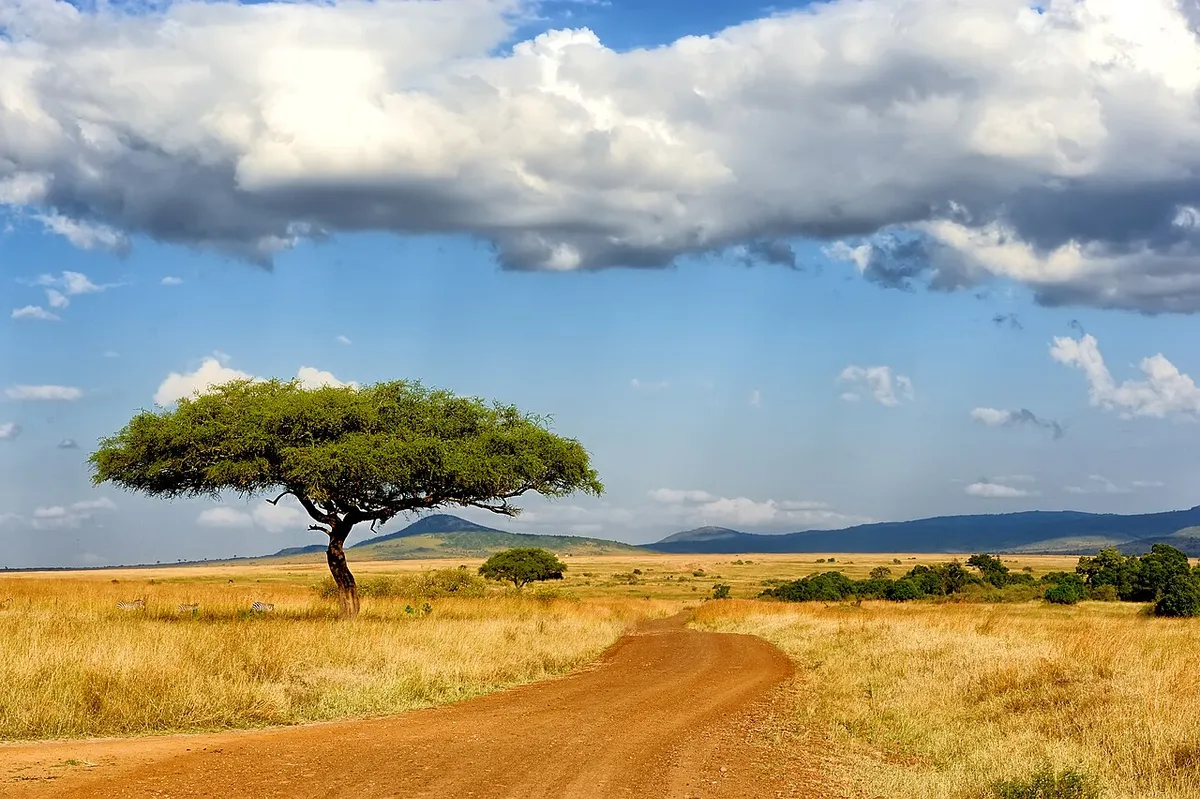
November and December on the southbound route after the short rains
Short rains bring new grass to parts of the eastern and southern ecosystem, and the migration gradually turns south. The movement is broad and broken into groups rather than a single procession. November can still find herds in northern areas while other groups have already travelled much farther.
For late-year travel, ask the operator which regions the itinerary can reach if rain or herd position differs from the usual pattern. A flexible route is more useful than a confident promise.
| Months | Region to research | Main planning question |
|---|---|---|
| Jan to Mar | Southern Serengeti and Ndutu | Is the camp close to the seasonal plains? |
| Apr to Jun | Central and western Serengeti | How will wet roads change the route? |
| Jul to Oct | Northern Serengeti and Maasai Mara | How far is the camp from the daily wildlife area? |
| Nov to Dec | Eastern and southern return route | Can the route adjust if the herds are spread out? |
BOOKING AND VERIFICATION
Operator and official booking links
These links lead to properties, operators, managing authorities or industry associations. SafariWild does not take part in the transaction or receive commission from these editorial links. Check the contract, insurance, cancellation terms and receiving company before paying.
Related destinations
Related species
Sources
These sources support the habitat, season and observation guidance in this article. Current permits, closures, weather and local rules still need a separate check before travel.
- Magical Kenya: The Great MigrationSupports: Migration in the Maasai Mara and the connected ecosystem
- Tanzania Tourism: SerengetiSupports: Serengeti migration areas and seasonal background
- Maasai Mara Ecosystem Management PlanSupports: Management, vehicle pressure and the wider Mara ecosystem
Page updated . To report an error, send the page URL and a verifiable source through the contact page.