LIVING ATLAS · 6
Explore sourced species and plant guides.
Browse 6 sourced wildlife and plant field guides with identification, habitat, conservation context and observation guidance.
To browse every catalog record, open the interactive living atlas with all 367 entries.
SOURCED GUIDES · IDENTIFICATION · ECOLOGY
Species and plant field guides
Use identification, habitat, ecology and observation guidance backed by visible sources. Each guide includes a correction route.
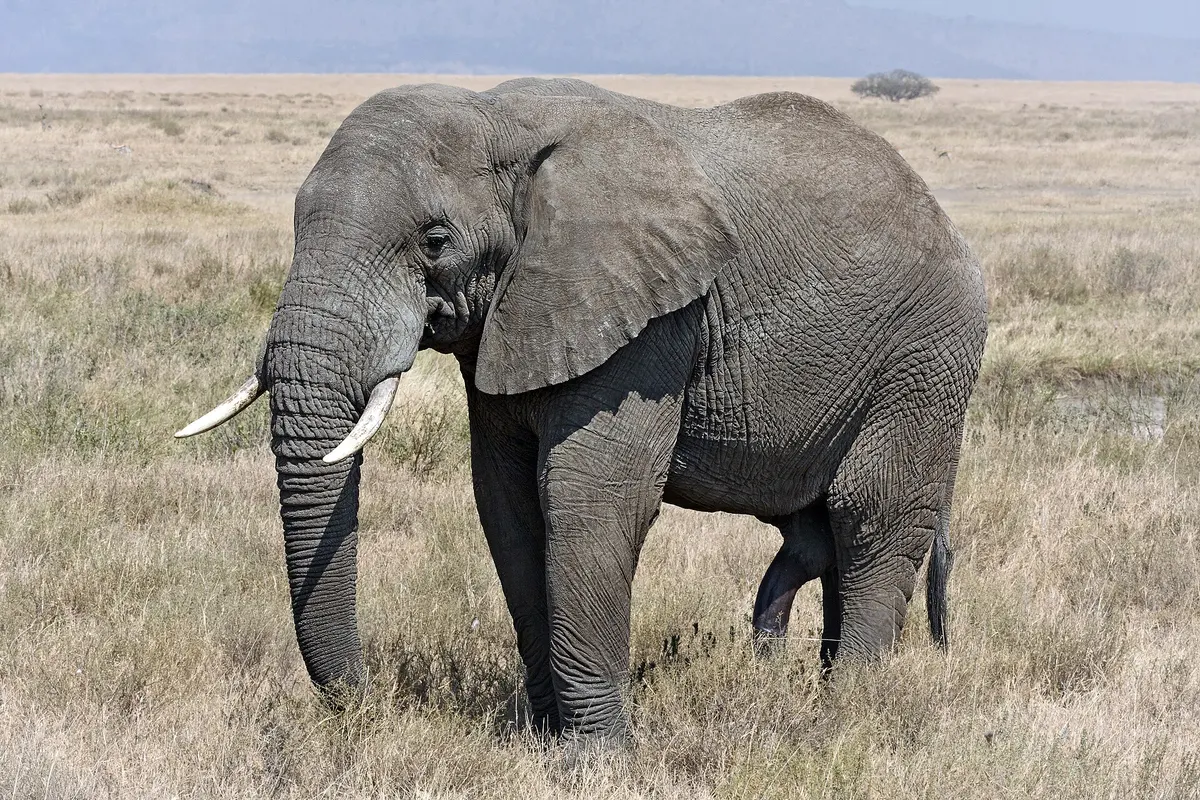
Endangered · MammalAfrican savanna elephant
African savanna elephants live in grassland, woodland and semi-desert across sub-Saharan Africa. Females and young form matrilineal families. Adult males usually leave their birth family and travel alone or in loose male groups. Water, food and safe corridors direct seasonal movement.
Loxodonta africana → 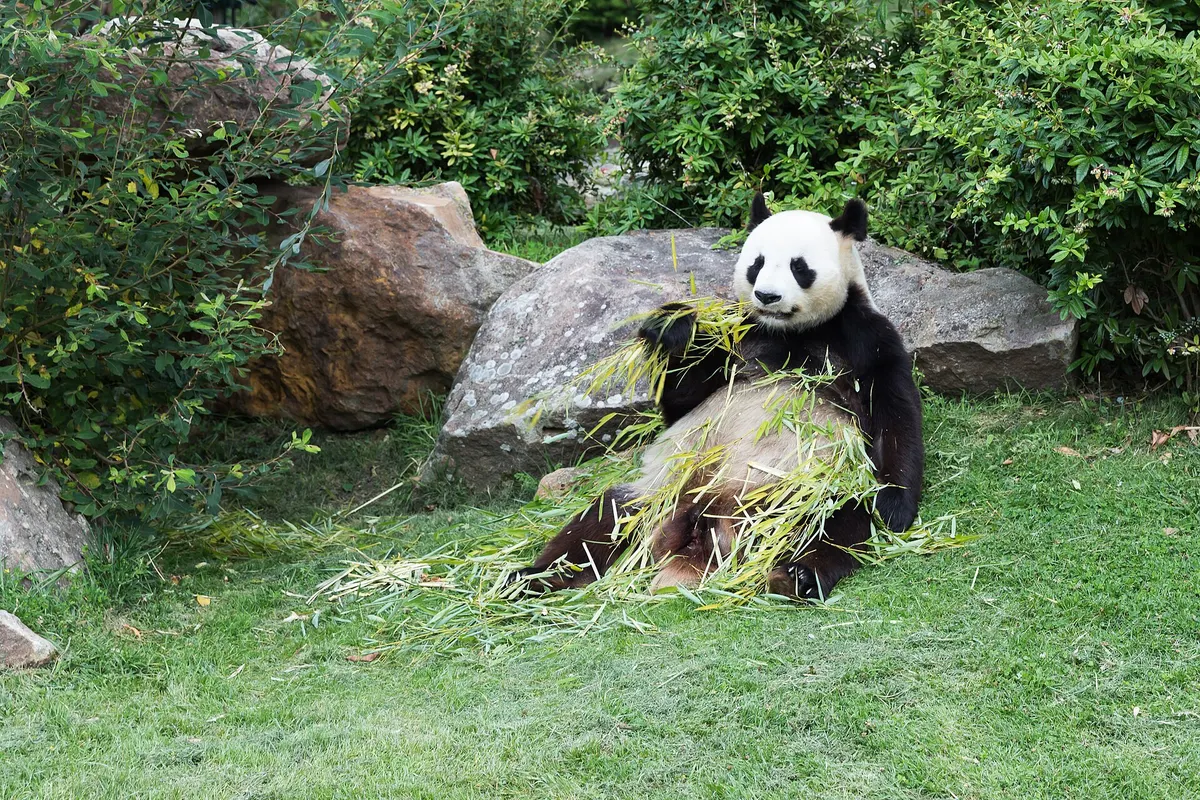
Vulnerable · MammalGiant panda
The giant panda is a bear restricted in the wild to a small number of mountain systems in south-central China. It depends on forest with a dense bamboo layer. Large connected areas let pandas move when bamboo condition, season and breeding needs change.
Ailuropoda melanoleuca → 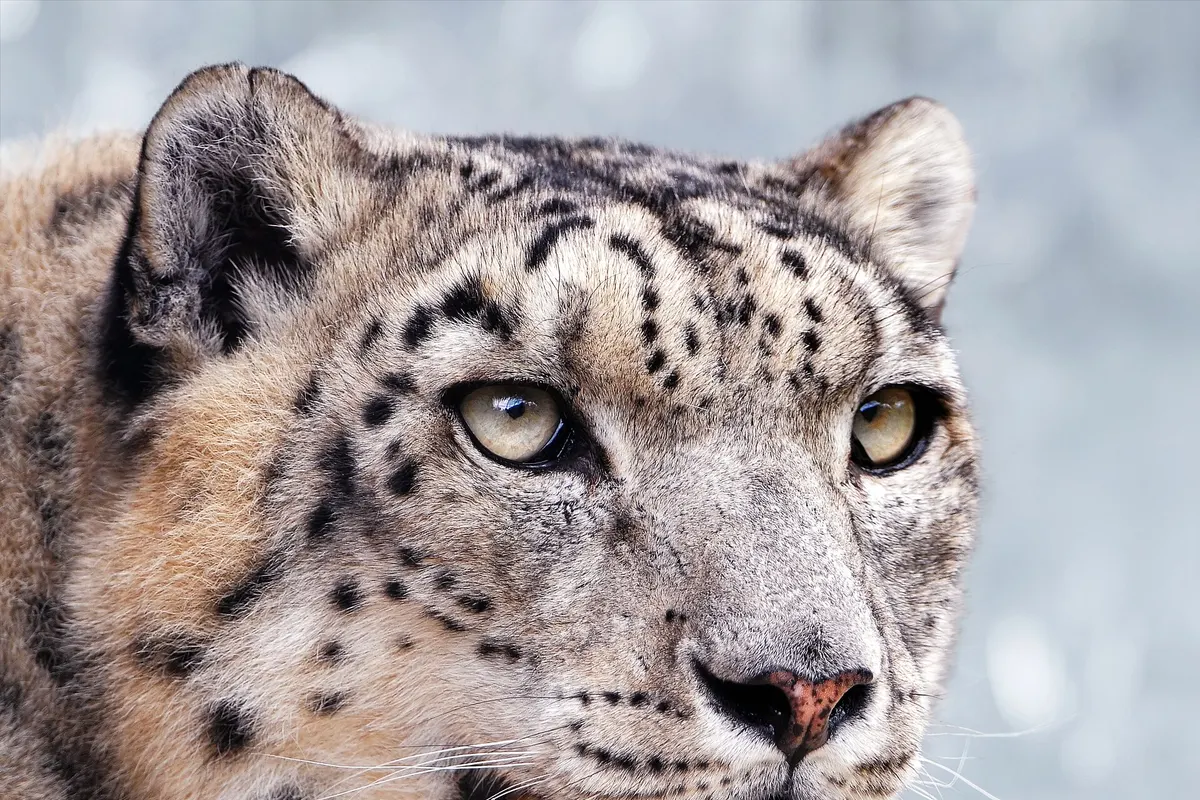
Vulnerable · MammalSnow leopard
Snow leopards occupy cliffs, valleys and alpine grassland across the mountains of Central Asia and the Tibetan Plateau. They occur at low density and range widely, so direct sightings are rare. Tracks, scrapes, scent marks, droppings, prey response and camera traps provide much of the field evidence.
Panthera uncia → 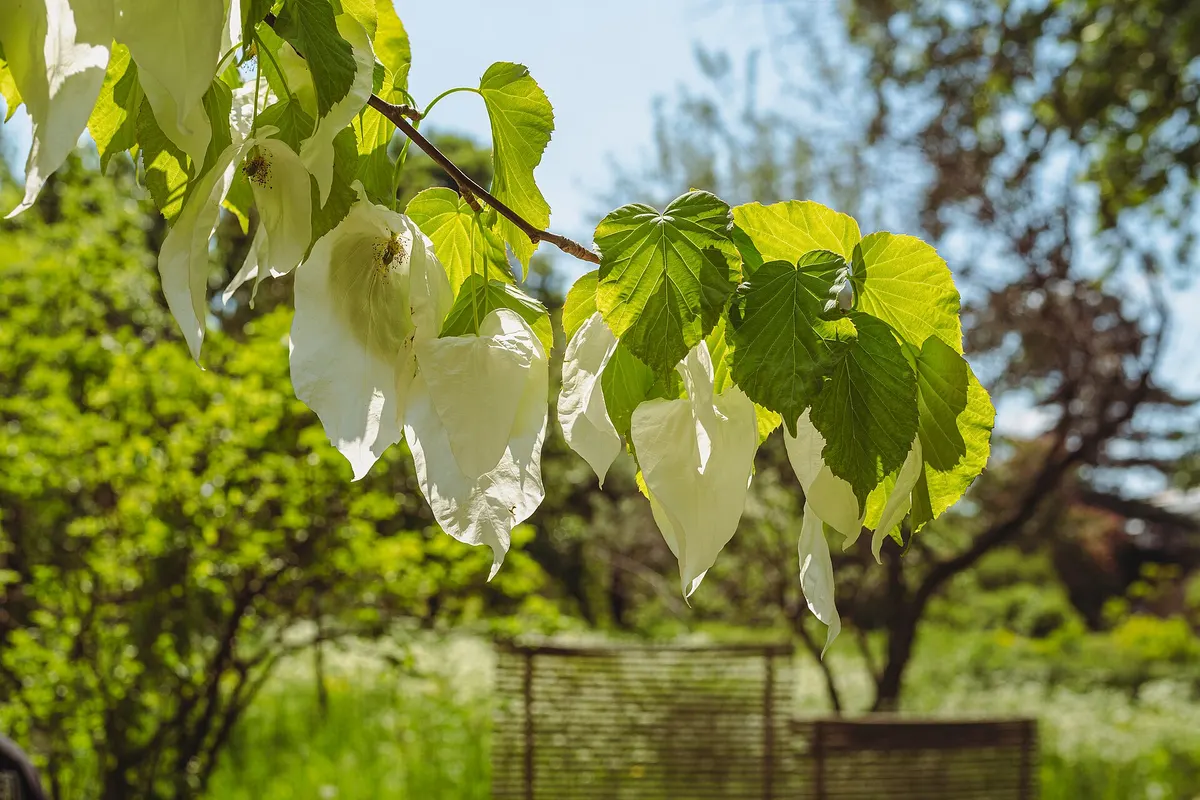
Vulnerable · PlantDove tree
The dove tree is a deciduous tree native to montane forests in south-central China. Its familiar common name comes from two hanging white bracts that move around the flower head in spring. The true flowers are small and clustered at the centre, so the white structures should not be described as petals.
Davidia involucrata → 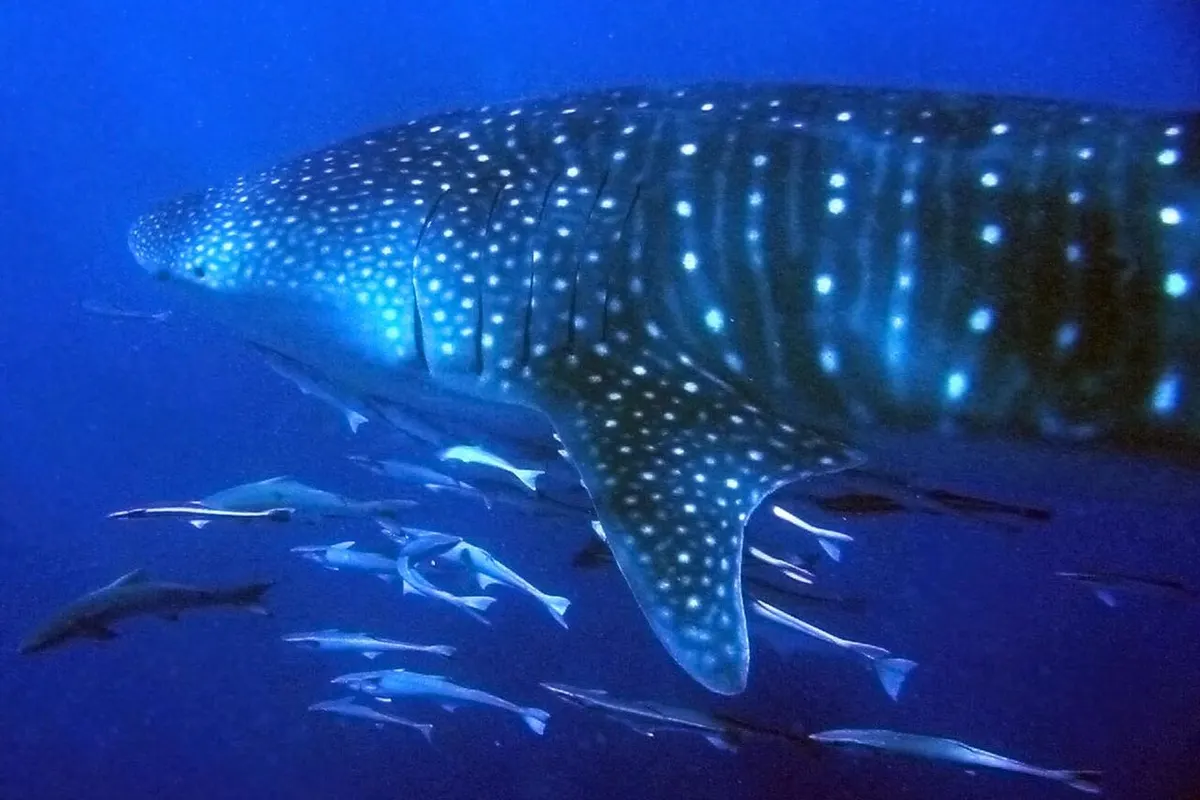
Endangered · FishWhale shark
The whale shark is the largest living fish and a filter-feeding shark that takes plankton, small fish and fish eggs. It occurs in tropical and warm temperate seas. Seasonal gatherings form in productive water, but arrival and length of stay change with food and sea conditions.
Rhincodon typus → 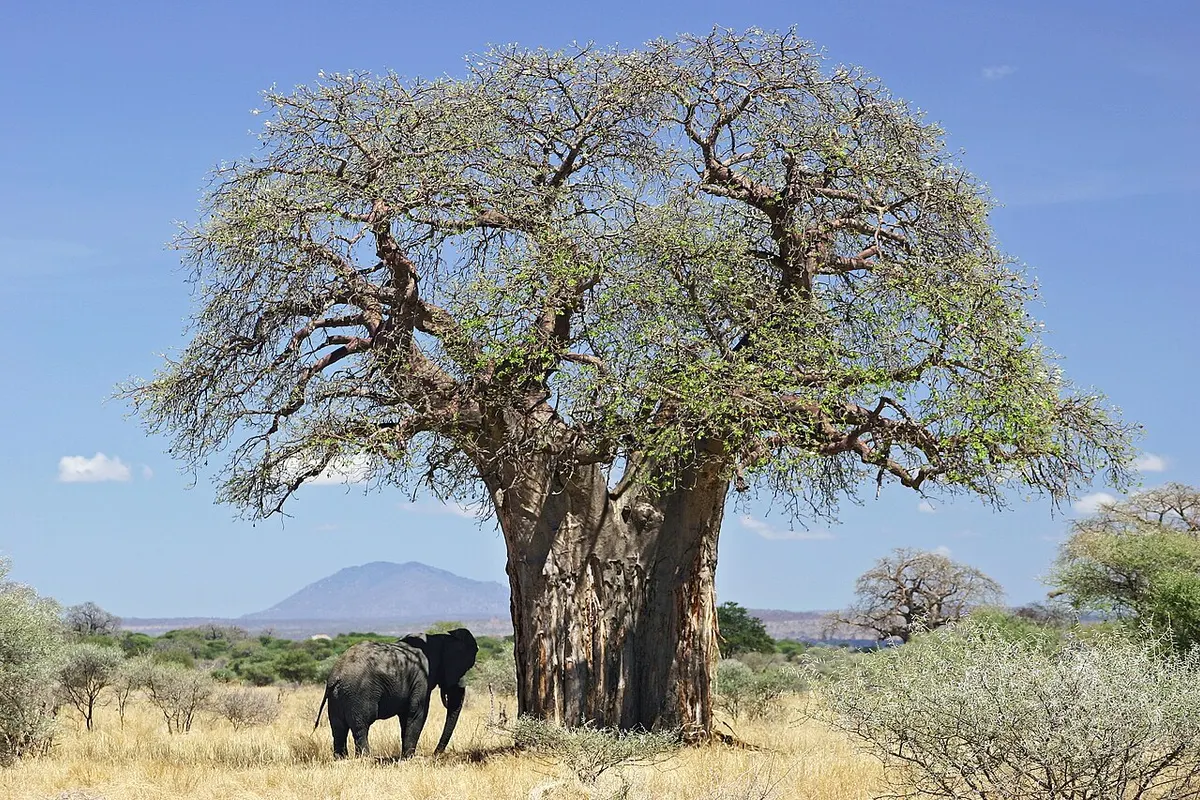
Least concern · PlantAfrican baobab
The African baobab is a massive deciduous tree of tropical African drylands. Its broad trunk stores water in living tissue, while a sparse crown carries leaves mainly during the wet season. Individual trees can become prominent food, shade and shelter sites for wildlife and people without needing a mythical age attached to them.
Adansonia digitata → 