
DESTINATION · Kenya
Maasai MaraSavanna wildlife guide
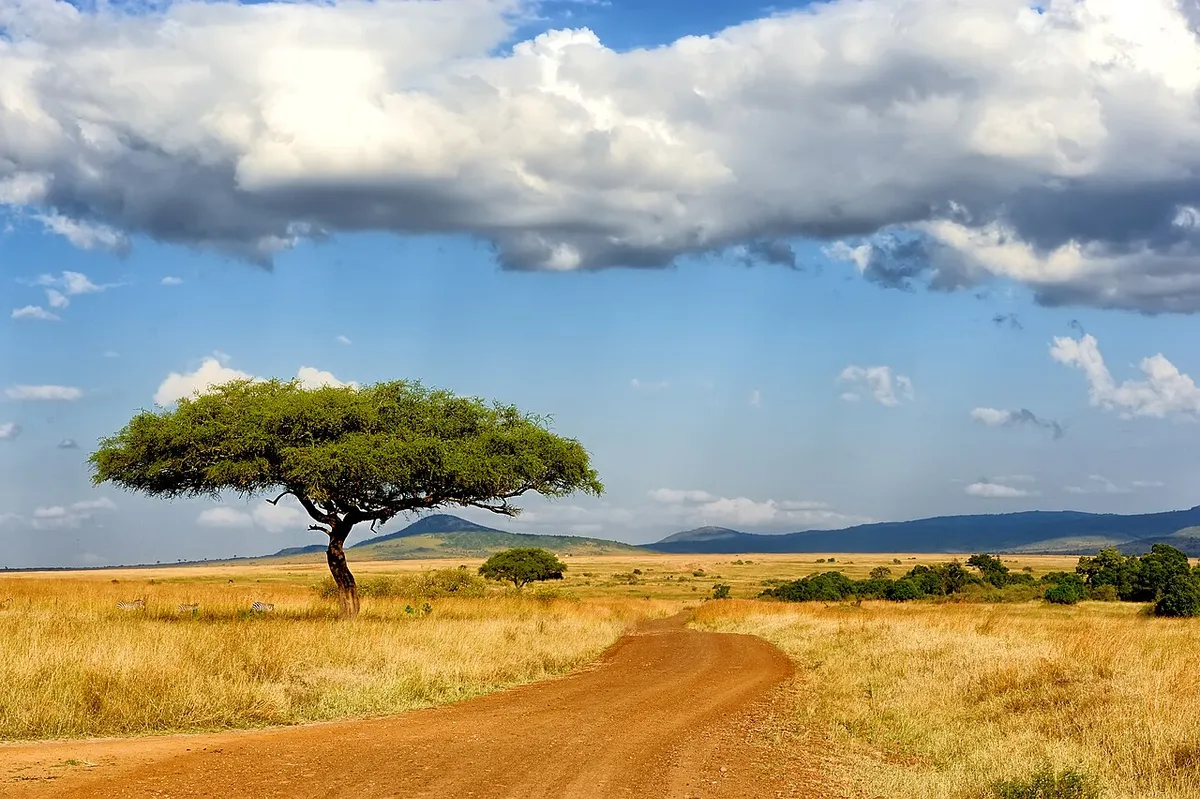
The Mara is more than a river crossing. It is the northern end of the Serengeti-Mara system, where rain creates new grass, herds move across reserve, conservancy and dispersal land, and predators and scavengers respond to that moving energy.
- Country or region
- Kenya
- Habitat type
- Savanna
- When to go
- Jan-Feb / Jul-Oct
- Suggested stay
- 4-6 days
Observers who want to understand a grassland food web, migration and community conservation rather than chase a Big Five checklist
July to October may bring large migratory herds and river attempts, together with heavier vehicle pressure; other seasons reveal resident wildlife and grassland recovery
Why wildlife thrives here
Rain controls fresh grass, fresh grass directs hoofed mammals, and rivers, woodland and open plain redistribute water, cover and hunting opportunity.
The Maasai Mara lies at the northern end of the Serengeti ecosystem. Its reserve boundary does not contain the ecosystem. Wildebeest, zebra and gazelle follow rain and new grass between Tanzania and Kenya, while lions, cheetahs, leopards and scavengers adjust their ranges around those movements.
What to look for in each habitat
Different terrain, water and vegetation support different wildlife. Knowing where you are helps you know what to look for.
Short-grass plain
What to notice Read herd direction, grass height and collective staring
Why it matters Open feeding space changes how predators use terrain and timing
Mara River and tributaries
What to notice Read water, banks, hippo paths and scavenger birds
Why it matters A river is water, route and risk; crossings occur only when conditions align
Acacia woodland
What to notice Scan shade, horizontal branches and edges
Why it matters Woodland separates niches for giraffe, leopard, birds and resting predators
When to visit Maasai Mara
These are typical seasonal patterns. Weather, access and wildlife activity vary from year to year, so check current conditions before travel.
Short dry season and young animals
The grass can remain green, and resident lions, cheetahs and giraffes are active. Visitor numbers are usually lower than during the main river crossing period.
Migration moves north
Large herds may enter the Mara and attempt river crossings. Rain, grazing conditions and river levels determine the timing and location.
Short rains renew the grass
Fresh grass spreads the herds across a wider area. Thunderstorms and cloud also change the light and reveal how quickly the plains recover.
What to notice on the ground
A herd staring together
Shared vigilance often reveals a predator before a vehicle radio does.
Vultures circling and landing
Circling alone does not prove a kill; combine direction, numbers and other scavengers.
Grass colour and wet soil
Migration follows usable grass and water, not a visitor calendar.
Paths and hesitation at a bank
A gathering does not guarantee a crossing, and vehicles should not compress the approach.
Best times of day for wildlife viewing
Watch for cats and alarm calls
Low light makes ridges, woodland edges and riverbeds easier to scan. The direction of a herbivore's stare or an alarm call can reveal a predator.
Stay near water and shade
Slow down around hippos, crocodiles, scavenging birds and resting cats instead of driving long distances to add another species to a list.
Let the plain start moving again
Predators become more active and herbivores shift toward open ground. Leave enough time to return before the reserve closes.
First-trip itinerary
- Spend the first full day learning the resident lion ranges, the shape of the grassland and the Mara River. Do not begin by chasing reports from a crossing point.
- On the next two days, use your guide's local reading of the herds to choose between the northern river, central plains and community conservancies.
- Finish with a quieter observation period. Staying in one place can show the links between predators, scavengers and grazing animals.
Before you go
- No crossing date or place is guaranteed, even with several full field days.
- Choose an operator that explains vehicle limits, no-crowding rules and community benefit.
- Check current reserve and conservancy rules, roads and rainfall conditions.
Responsible wildlife viewing
- Park to the side and leave the animal’s direction of travel open.
- Do not compress wildlife around cubs, kills or river approaches.
Sources
The sources below support the ecological background and access boundaries in this guide. Current weather, permits, roads and local notices still need a separate check before travel.
- Kenya Wildlife Service · National Wildlife Census 2021
- Kenya Wildlife Service · Wildlife Corridors and Dispersal Areas
- Magical Kenya · Maasai Mara
Page updated . To report an error, send the page URL and a verifiable source through the contact page.