
AFRICA · TEN WILDLIFE ENCOUNTERS
Africa’s Big Five and Ugly Five, and what to watch for
Why isn’t the hippo in the Big Five? Do hyenas only eat leftovers? Get to know the names you’ll hear on a game drive, and the details worth stopping for.
- Safari lists
- Big Five + Ugly Five
- Matching photographs
- Species-matched photographs
- Planning context
- Tanzania in November
What these two lists actually mean
South African Tourism explains the Big Five through the historical risks and difficulty of hunting them on foot. Travellers now commonly use the name with cameras and binoculars. It is not a ranking by body size or a scientific measure of strength. Hippos, giraffes and cheetahs remain rewarding wildlife subjects even though they sit outside this particular list.
The Kenya Professional Safari Guides Association has also used the Ugly Five name. It is an informal label based on human impressions of appearance and has no taxonomic standing. This guide uses common warthog and spotted hyena as specific representatives, while explaining the broader rhino and vulture categories. The names are a useful starting point for observation, with room for more precise identification.
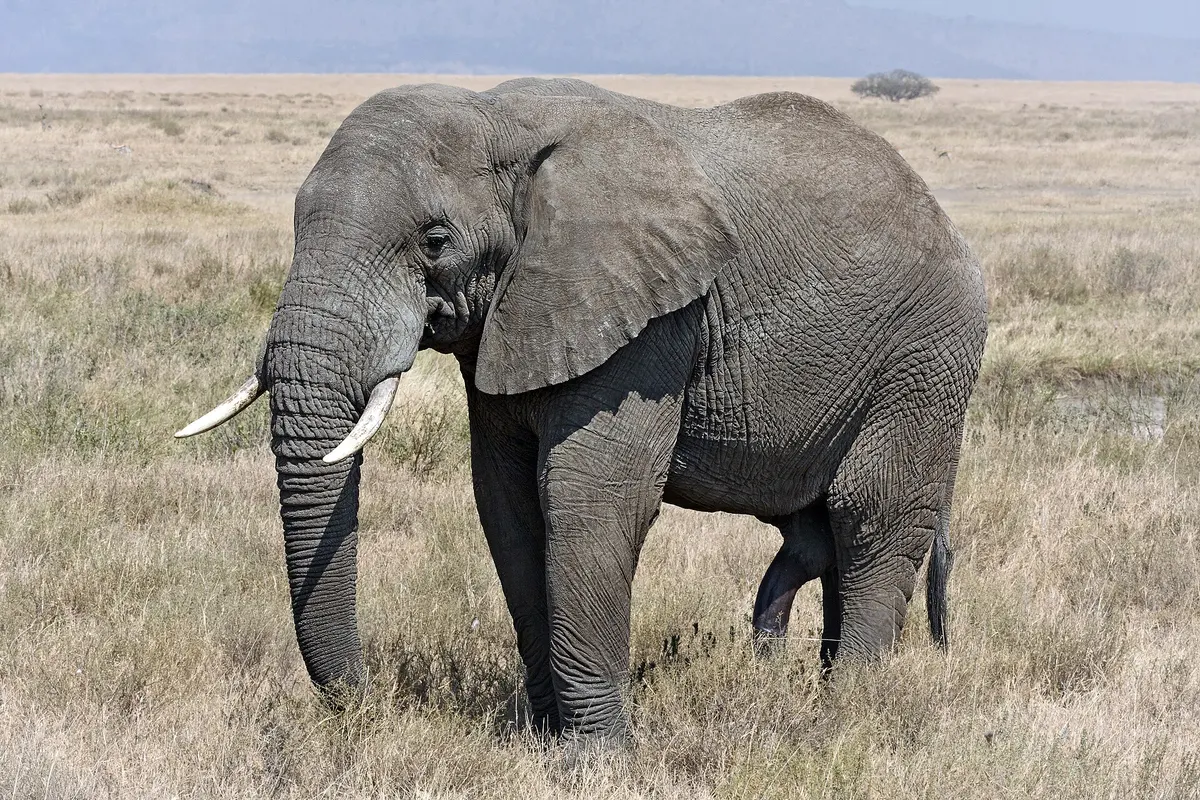
Big Five · African savanna elephant
An elephant is usually the easiest Big Five animal to recognise. Look for the savanna elephant’s large ears, then watch its trunk at work, pulling grass or selecting branches. In a family group, try finding the calves first. A small one can disappear completely behind an adult until the herd starts moving.
Stay with a group for a while and watch how the adults and calves travel together. A wider photograph often tells that story better than a frame filled with one head. Let the guide choose the vehicle position and keep the herd’s route clear. An elephant pregnancy lasts about 22 months. A calf represents a long investment by its mother; keep the family’s route clear rather than surrounding it with vehicles.
Local names include Swahili Ndovu or Tembo and Maasai Oltome . Spellings and usage can vary locally.
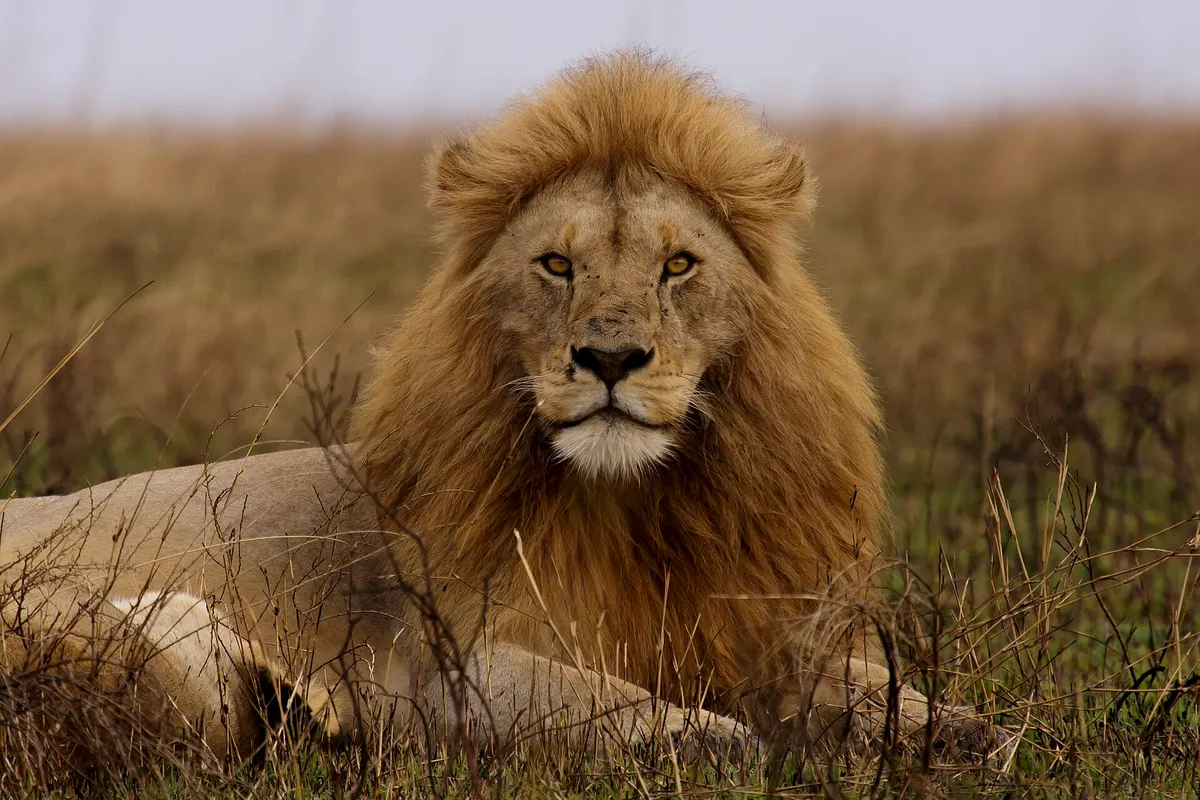
Big Five · Lion
A mane makes a male lion easy to recognise, but spend some time watching the lionesses and cubs too. Greeting rubs and grooming are worth waiting for. Finding a pride asleep in a heap during the day is perfectly normal; lions spend long periods resting.
Allow time on an early or late drive, while accepting that the lions may still be asleep. If you want interaction, patience helps more than a closer vehicle. Never ask the driver to wake a lion or provoke a response for a photograph. Lionesses also share care of cubs. Lionesses may nurse other cubs in the pride, so a cub following one female does not prove she is its mother.
Local names include Swahili Simba and Maasai Olng’atuny, Olouwaru. Spellings and usage can vary locally.
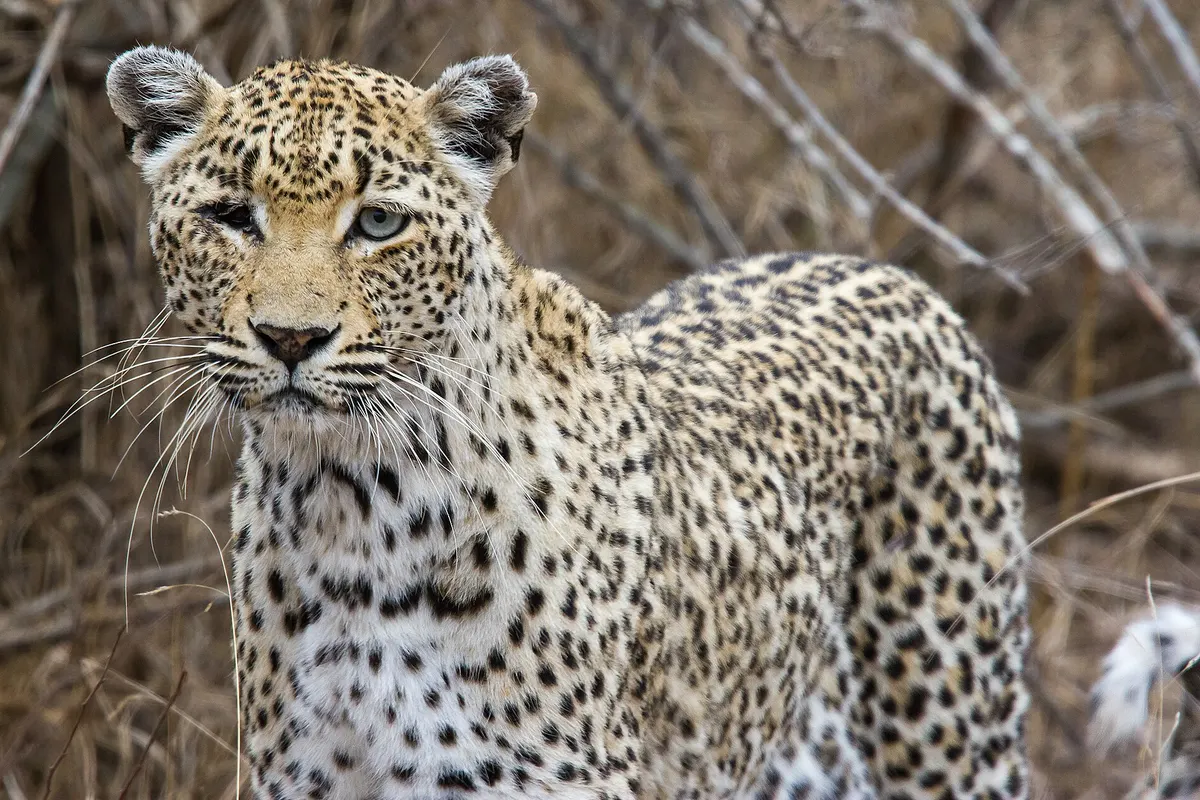
Big Five · Leopard
Leopards take practice to spot. One may be stretched across a branch or hidden in scrub, with only a tail giving it away. Look for irregular rosettes on the coat. Cheetahs have solid black spots and dark tear lines running down from the eyes, useful clues when comparing the two.
When the guide points out a leopard, ask which branch and which side of the trunk before reaching for the camera. Binoculars help. Leaves covering part of the body are normal: seeing how effectively the animal disappears into cover is part of the encounter. Hoisting prey into a tree can reduce losses to other carnivores. Leopards also feed on the ground, so scanning branches alone is not enough.
Local names include Swahili Chui and Maasai Olkinyia lasho. Spellings and usage can vary locally.
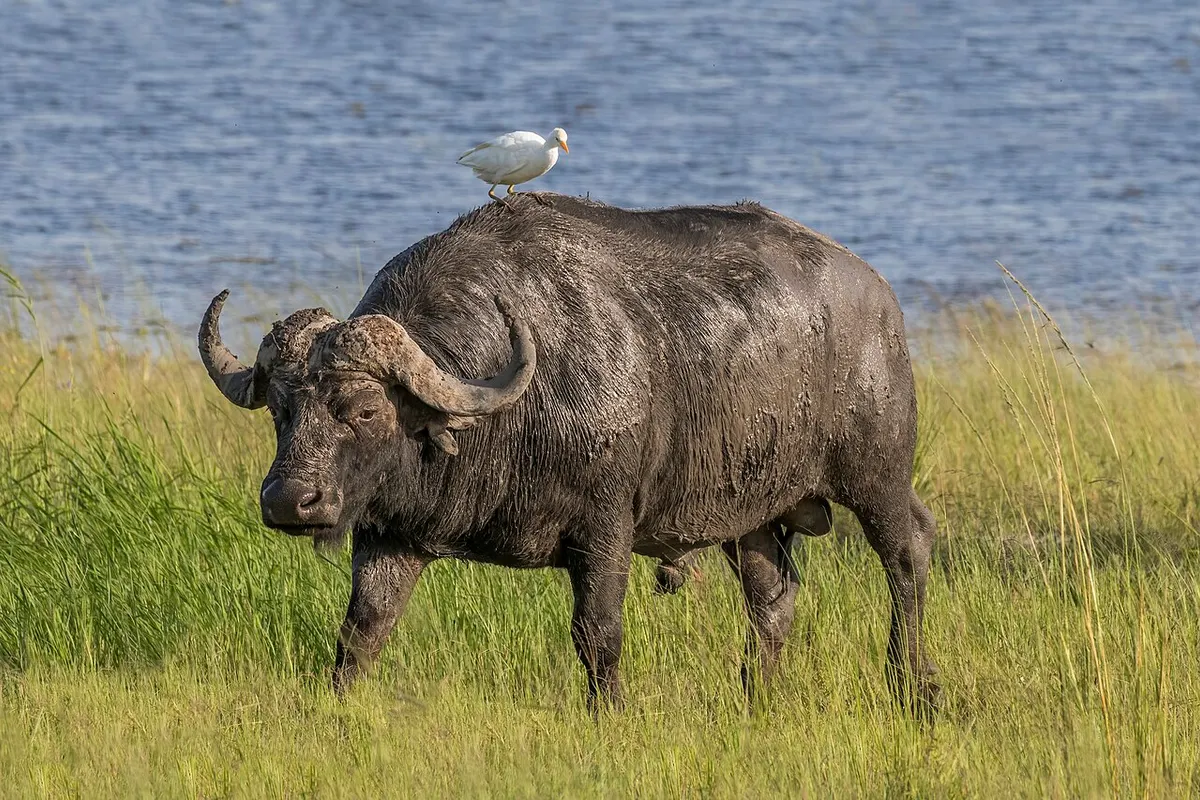
Big Five · African buffalo
Buffalo horns sweep out to the sides before turning upward. In mature males, the bases can form a thick shield across the forehead. Compare horn shapes within a herd, and look for birds perched on the animals’ backs.
You may see a large grazing herd or just a few males together. Their quiet appearance is no invitation to approach. Wait when buffalo cross the road; overlapping horns and bodies can make a good photograph without putting the vehicle in their path.
Local names include Swahili Mbogo or Nyati and Maasai Olarro. Spellings and usage can vary locally.
Big Five · Rhinoceros
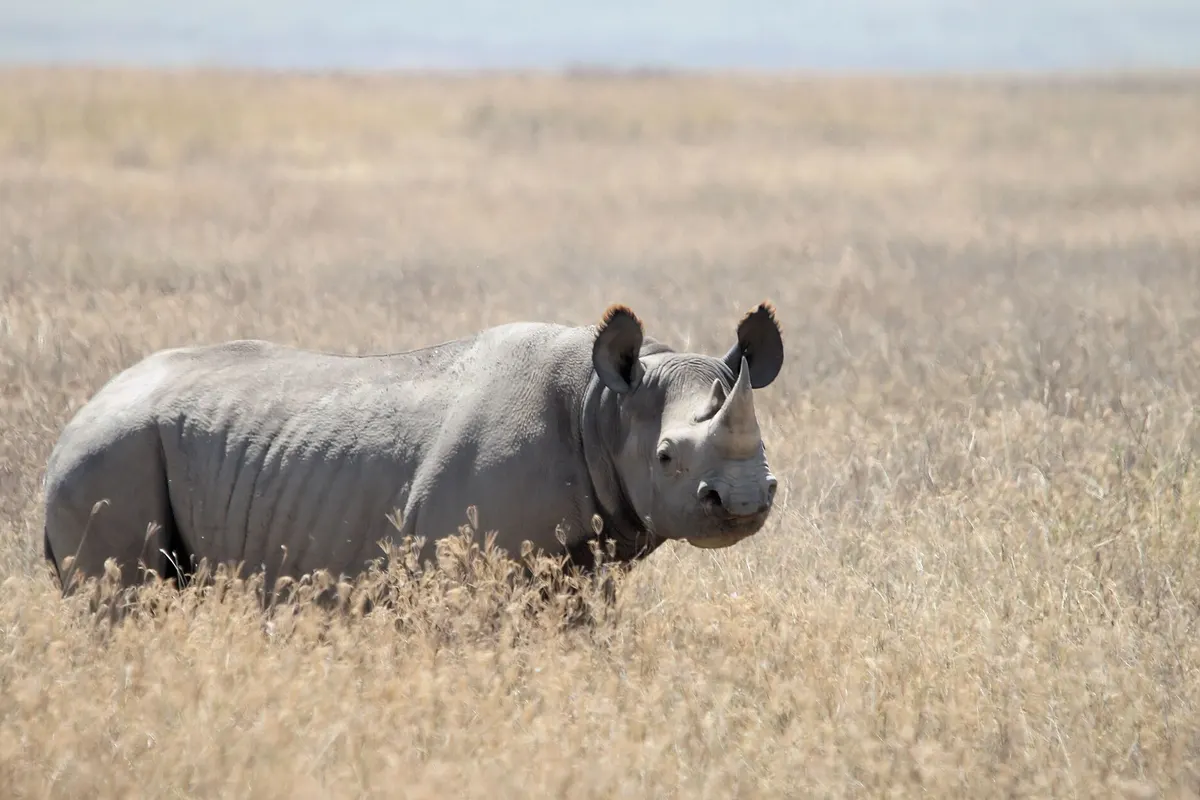
The Big Five rhino can be black or white. This photograph shows a black rhino, whose pointed upper lip helps it grasp leaves and twigs. A white rhino has a broad mouth suited to grazing. Mud and light affect their appearance, so colour is a poor way to tell them apart.
Rhinos can be the hardest part of completing the Big Five. First ask whether the reserve has a relevant population and whether your route offers a realistic opportunity. Let the guide identify a distant animal. Disable photo location tags and do not share a live rhino location.
Local names include Swahili Kifaru and Maasai Emuny. Spellings and usage can vary locally.
Ugly Five · Spotted hyena
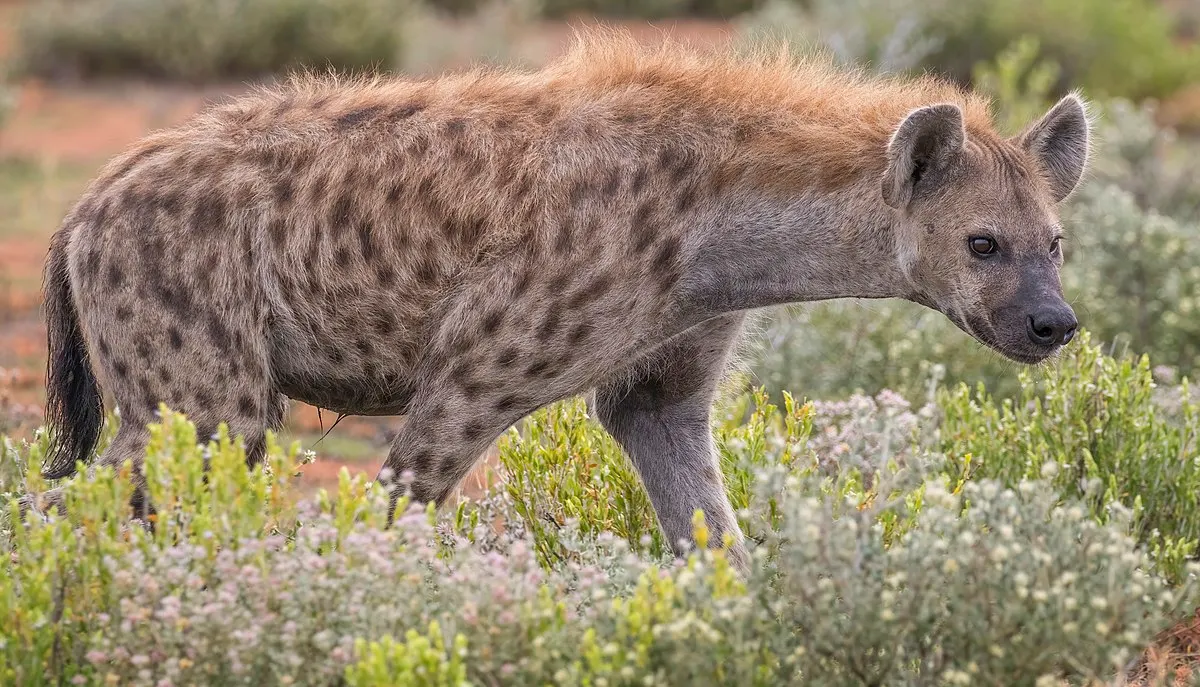
Rounded ears and a back sloping down from the shoulders help identify a spotted hyena. It scavenges, but it also hunts. Watching only for an animal collecting a lion’s leftovers misses much of what hyenas do.
Watch one stop to investigate a scent, approach another hyena or respond to a distant call. Its behaviour is often more interesting than its screen reputation suggests. Despite the name, a hyena is not a wild dog: hyenas belong to their own family. Females hold an important place in clan society. Spotted hyena ranks are complex; the animal walking at the front is not necessarily the leader.
Local names include Swahili Fisi madoa and Maasai Olngojine . Spellings and usage can vary locally.
Ugly Five · Common warthog
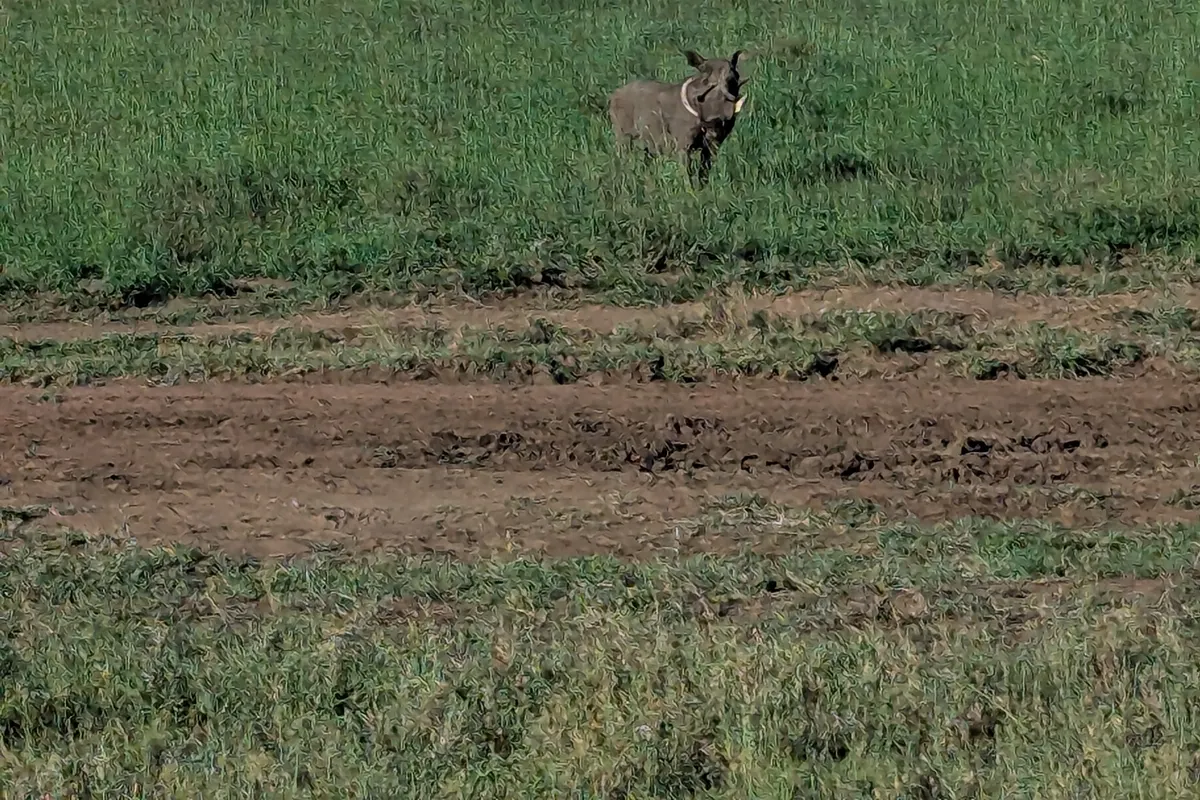
A warthog is hard to mistake once you have noticed the facial pads and curved tusks. When it runs, its tail often sticks straight up. When it feeds, it may bend down on its front legs, looking as though it is kneeling to reach the grass.
If you find adults with young, watch the little ones following behind. Include their tails and the whole procession rather than photographing only a face. If they head for a burrow, leave the entrance clear.
Local names include Swahili Ngiri and Maasai Olbittir. Spellings and usage can vary locally.
Ugly Five · Blue wildebeest
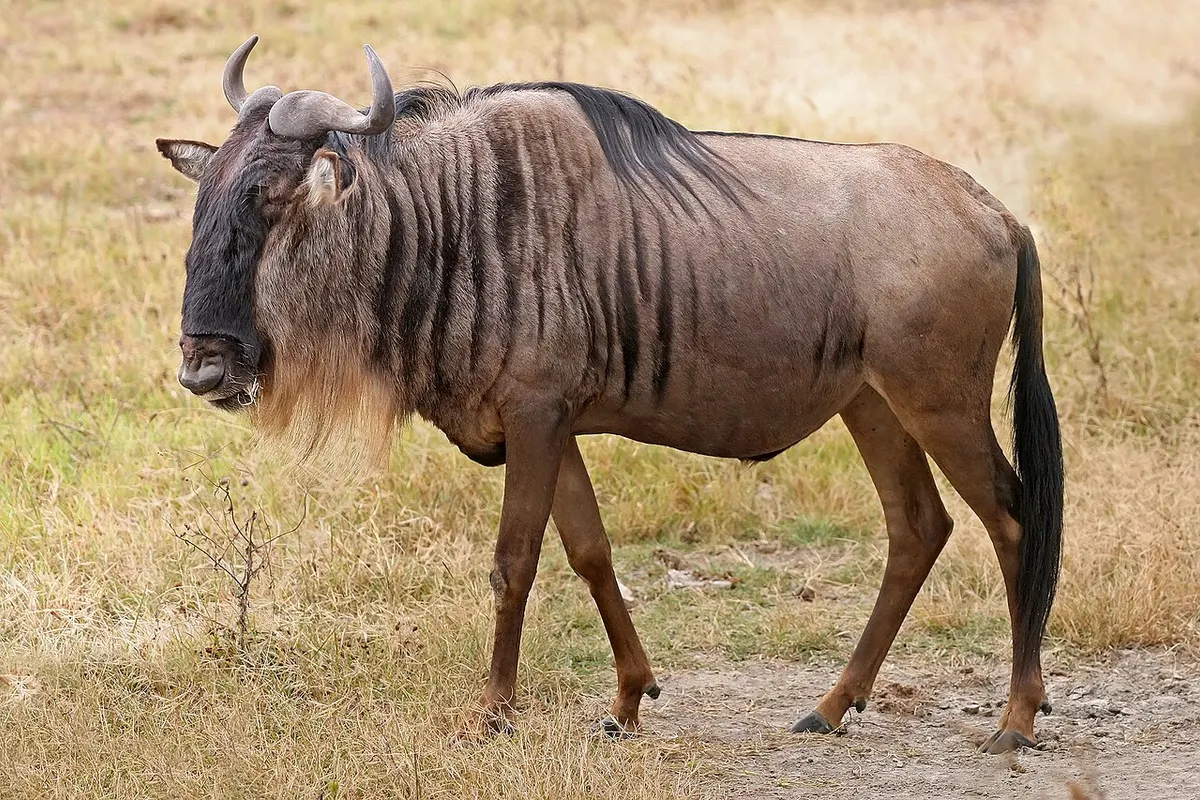
The long face, heavy shoulders, mane and beard give a wildebeest its unusual outline. Blue wildebeest populations form the main herds of the East African migration. They move with access to grass and water, so the year’s rainfall matters when deciding where to look.
There is plenty to watch without a river crossing: horn shapes at close range, calves following adults or a herd spread across the plain. At a river, accept that the animals may wait for hours or not cross that day. A booking cannot settle that decision for them.
Local names include Swahili Nyumbu and Maasai Oingat. Spellings and usage can vary locally.
Ugly Five · Marabou stork
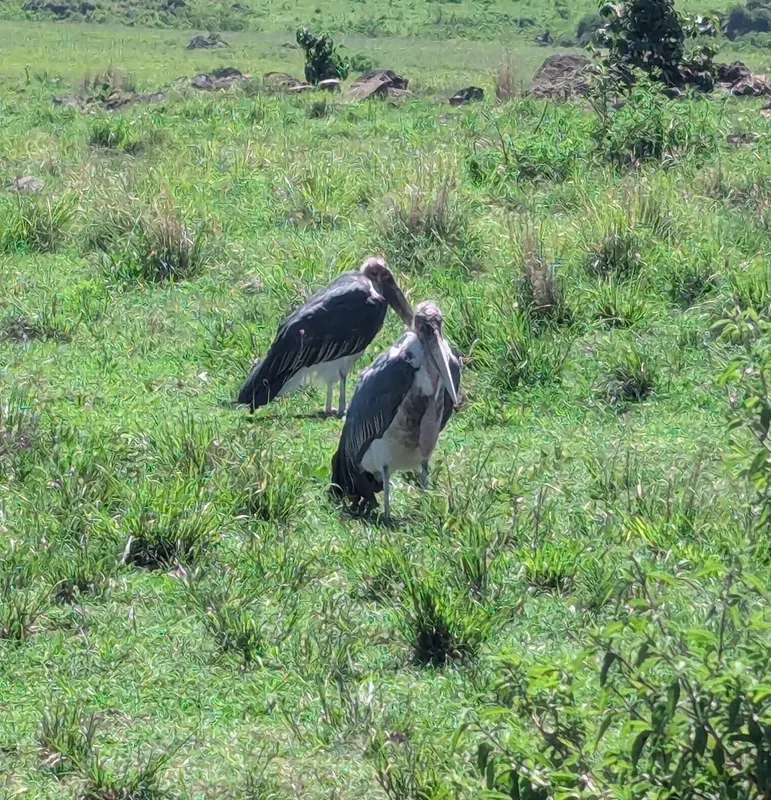
A marabou has long legs, a heavy bill and a largely bare head and neck. Sometimes its hanging throat pouch is visible too. Look on the ground at feeding sites, along wetland edges and up in the trees, where its outline can be surprisingly conspicuous.
Marabous eat carrion and also catch small animals. At a shared feeding site, compare their bills, legs and posture with those of vultures. They may turn up for the same food, but they are very different birds.
Ugly Five · Vultures
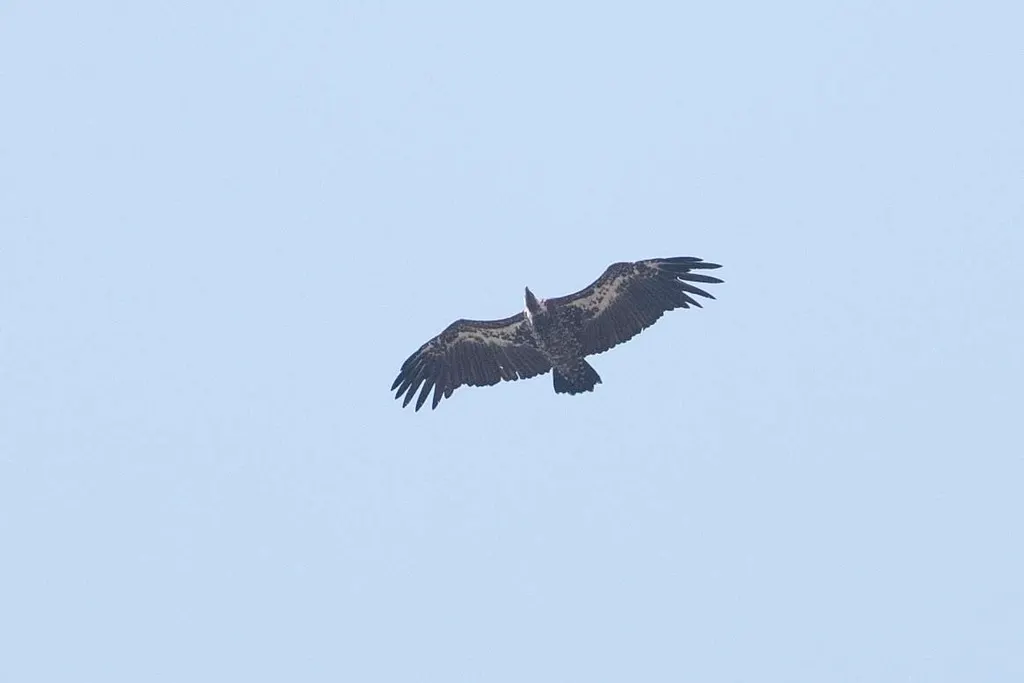
Vulture is the least precise name on either list. East Africa has several species; the photograph shows a Rüppell’s vulture. White-backed vultures and other species may also be present. A clear view of the head, back and wings is more useful for identification than a distant silhouette.
Vultures feed on carcasses and help return nutrients to the ecosystem. Circling birds do not prove that a fresh kill is directly below. If birds have landed, watch how they approach the food and make room for one another, then ask the guide which species you are seeing.
Black, southern white and northern white rhinos
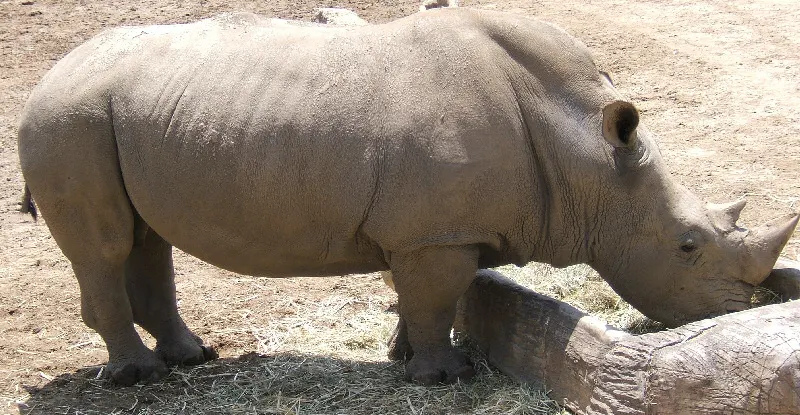
Black, southern white and northern white rhinos differ, but count as one category in the Big Five. A black rhino browses with a pointed, grasping lip. A white rhino grazes with a broad mouth. Mouth shape and feeding behaviour are more useful than skin colour. Rhino horn is made of keratin; describing it as a bundle of hairs is misleading.
Northern and southern white rhinos should also be distinguished. The northern form is a special conservation case, not an animal to search for casually on an ordinary grassland drive. Ol Pejeta’s official material explains the care of Najin and Fatu; visits depend on current reserve arrangements.
Planning a Tanzania visit in November
A northern-circuit option to compare is a Serengeti base with a Ngorongoro visit if your available days allow it. The Serengeti provides a setting for observing cats, wildebeest and scavengers within one ecosystem; the crater adds a different landscape. Rhino distribution and viewing conditions impose real limits, so leave room for a trip without a rhino sighting. Tarangire alone should not be sold as a guarantee of the complete Big Five.
November often falls within the short rains. Rain affects road conditions, grass growth and herd distribution. Southbound migration movements need to be interpreted through that year’s rainfall rather than a fixed riverbank appointment. Allow several consecutive viewing days in one area before adding another camp. Confirm roads, open areas and permitted activities with the park and operator close to departure.
Turn a checklist into useful field notes
For each encounter, note the identification clues, behaviour, neighbouring animals and habitat. Keep an uncertain record uncertain if a photograph is blurred. Two vulture species represent two biological species but still occupy one category in the Ugly Five list. The same distinction applies when a trip includes both black and white rhinos. This makes notes more useful than a simple count of completed names.
Follow park rules and the guide’s judgement about vehicle position. Stay in permitted places, do not feed wildlife or play calls, and avoid pressing closer to young animals or a carcass for a photograph. Soft early or late light can be useful, while overcast conditions can reveal detail. If an animal changes direction or becomes visibly alert to the vehicle, prioritise giving it space.
Related destinations
Related species
Sources
These sources support the habitat, season and observation guidance in this article. Current permits, closures, weather and local rules still need a separate check before travel.
- African Wildlife Foundation · ElephantSupports: Elephant gestation of about 22 months
- WWF · Spotted hyenaSupports: Hyena hierarchy and female lineages
- Porini Camps Mammals Guide · Rustom FramjeeSupports: Animal behaviour and local names
- Ol Pejeta · Northern white rhinosSupports: Northern white rhino conservation context
- TANAPA · Serengeti visitor informationSupports: Serengeti seasons and migration context
- Serengeti.com · Weather and climateSupports: Short rains and rainfall variability
- South African Tourism · The Big FiveSupports: Big Five membership and naming history
- KPSGA · December 2022 newsletterSupports: Guide association usage of the Ugly Five list
- WWF / Natural Habitat Adventures · Ugly FiveSupports: Ugly Five animals and viewing context
- African Wildlife Foundation · lionSupports: Identification, behaviour and ecology of the named animal
- African Wildlife Foundation · leopardSupports: Identification, behaviour and ecology of the named animal
- African Wildlife Foundation · african-buffaloSupports: Identification, behaviour and ecology of the named animal
- African Wildlife Foundation · rhinocerosSupports: Identification, behaviour and ecology of the named animal
- African Wildlife Foundation · hyenaSupports: Identification, behaviour and ecology of the named animal
- African Wildlife Foundation · warthogSupports: Identification, behaviour and ecology of the named animal
- African Wildlife Foundation · wildebeestSupports: Identification, behaviour and ecology of the named animal
- African Wildlife Foundation · vultureSupports: Identification, behaviour and ecology of the named animal
- SANParks · Kruger five things to seekSupports: Kruger Big Five list
Page updated . To report an error, send the page URL and a verifiable source through the contact page.