
DESTINATION · Antarctica
Antarctic PeninsulaSea ice and polar coast wildlife guide
The Antarctic Peninsula is not a fixed checklist. Wind, sea ice, swell and site capacity rewrite each day. The dependable story is ecological: krill transfers Southern Ocean productivity to penguins, seals and whales.
- Country or region
- Antarctica
- Habitat type
- Sea ice and polar coast
- When to go
- Nov-Mar
- Suggested stay
- 9-14 day expedition
Travellers who accept weather cancellation, follow landing briefings and care about sea ice, food webs and biosecurity
Late spring brings nesting and more ice; midsummer brings chicks and more whale activity; late summer has shorter light and greater need for weather flexibility
Why wildlife thrives here
Seasonal light drives phytoplankton, krill moves that energy to penguins, seals and whales, and sea ice, glacier fronts and exposed rock provide different feeding, resting and breeding space.
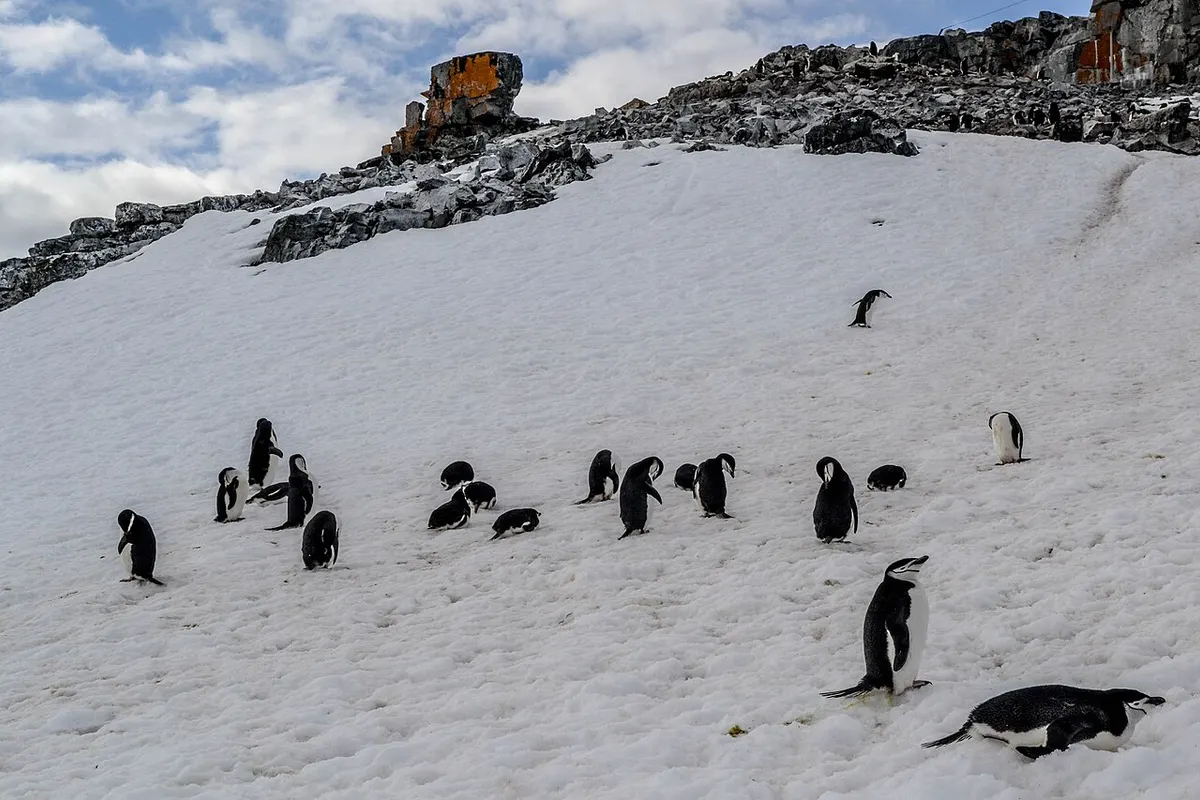
The Antarctic Peninsula is the entry point for most ship-based visits to Antarctica. Glacial bays, floating ice, bare-rock islands and Southern Ocean water alternate over short distances. Chinstrap and gentoo penguins, whales and seals carry the krill food web between sea and breeding ground.
What to look for in each habitat
Different terrain, water and vegetation support different wildlife. Knowing where you are helps you know what to look for.
Sea ice and ice edge
What to notice Watch cracks, seals on floes and feeding birds
Why it matters Ice controls the route and shifts the boundary available to predator and prey
Fjord and glacier front
What to notice Read whale blows, bird groups and meltwater colour
Why it matters Mixing can concentrate food, while calving ice requires a larger safety margin
Exposed breeding rock
What to notice Identify colonies, transit paths and guano zones
Why it matters Limited ice-free ground carries dense breeding life and cannot absorb blocked routes
When to visit Antarctic Peninsula
These are typical seasonal patterns. Weather, access and wildlife activity vary from year to year, so check current conditions before travel.
Late spring nesting
Snow remains widespread as penguins court, build nests and incubate eggs. Sea ice can restrict some routes.
Chicks and summer whales
Penguin chicks grow during the long days, and whales use productive coastal water. Landing sites are also at their busiest.
Late summer change
Some young penguins begin to moult and whale activity can remain strong. Weather, shorter days and the return crossing become less predictable.
What to notice on the ground
Birds feeding low over water
Concentrated flight can indicate prey below, but a vessel must not cut through or scatter the group.
A sequence of whale breaths
Use repeated surfacing to read travel direction rather than treating one blow as an invitation to approach.
Penguin highways
Guano and compacted paths mark regular access to the shore; wildlife always keeps right of way.
Abnormal plumage or weak animals
Do not touch or approach; notify expedition staff and follow current avian-influenza restrictions.
Best times of day for wildlife viewing
Listen to the site briefing
Check boots and equipment, then learn the wildlife distance, walking line and landing limit for that site.
Leave penguin routes open
Stay outside managed boundaries. Do not cross a colony, block a route to the water or touch an animal.
Move slowly along the ice edge
Small boats must leave room for whales, seals and floating ice. Withdraw when ice conditions worsen.
First-trip itinerary
- Choose an expedition vessel that follows Antarctic Treaty requirements and established site rules. Check its landing and biosecurity procedures.
- Treat possible landing sites as a flexible set. No operator can promise a particular penguin colony or whale encounter.
- Use lectures on krill, sea ice and climate to connect each sighting with the wider ecosystem.
Before you go
- Every landing and cruise follows the day’s captain and expedition briefing.
- Check how the operator implements Antarctic Treaty, national permit and biosecurity requirements.
- Clean boots, hook-and-loop fasteners, bags and tripods; disease controls may tighten during a season.
Responsible wildlife viewing
- Follow the stated minimum distance and move farther from breeding, moulting, territorial or dangerous wildlife.
- Do not sit near animal activity or waste, and remove no feather, stone, plant or other natural object.
Sources
The sources below support the ecological background and access boundaries in this guide. Current weather, permits, roads and local notices still need a separate check before travel.
Page updated . To report an error, send the page URL and a verifiable source through the contact page.